
The Yellowstone supervolcano, called Caldera, is one of the most powerful and feared geological features on Earth. It has erupted three times in the past 2.1 million years, most recently around 640,000 years ago. It is estimated to erupt approximately every 725,000 years, meaning in the next 100,000 years, the volcano is expected to erupt again.
However, the supervolcano is unlikely to erupt in the lifetime of anyone currently living. “Given Yellowstone's past history, the yearly probability of another caldera-forming eruption can be approximated as 1 in 730,000 or 0.00014%,” said the U.S. Geological Survey, a science bureau run by the Department of Interior. Still, scientists continue to study the Caldera for signs of activity.
If the Yellowstone Caldera were to erupt today, the consequences would be catastrophic. The eruption would be larger than any volcano seen in modern history. The immediate effect would be the formation of a massive crater within the park, destroying everything within a 100-mile radius. It’s estimated that the eruption could release thousands of cubic miles of magma, ash, and gases into the atmosphere.
One of the most devastating consequences of a Yellowstone eruption would be the global impact on the climate. The eruption would spew huge quantities of ash and sulfur dioxide into the atmosphere, creating an enormous ash cloud that could block sunlight for months, possibly even years. This "volcanic winter" could lower global temperatures by several degrees, disrupting agriculture, food production, and ecosystems worldwide.
Farming regions across the globe would be particularly vulnerable. With the sun obscured and temperatures plummeting, growing seasons would shorten, leading to crop failures. A sharp reduction in food supply could trigger widespread famine, especially in densely populated areas.
The eruption would also release toxic gases, such as sulfur dioxide, carbon dioxide, and hydrogen sulfide, which could further environmental damage. These gases could lead to acid rain, which would damage crops, water supplies, and buildings. Extended exposure to volcanic ash could also cause respiratory problems and other health issues for millions of people, particularly in the U.S. and neighboring countries.
Despite these frightening scenarios, experts agree that the likelihood of an imminent eruption is extremely low. The Yellowstone volcano has been actively monitored for years, with scientists measuring seismic activity, ground deformation, and gas emissions. While signs of unrest are carefully observed, there is no immediate indication that an eruption will occur soon.
Still, the Yellowstone Caldera serves as a reminder of Earth's unpredictable nature. Even though the risk remains low, the potential consequences of an eruption would be profound, making continued research and preparedness critical.
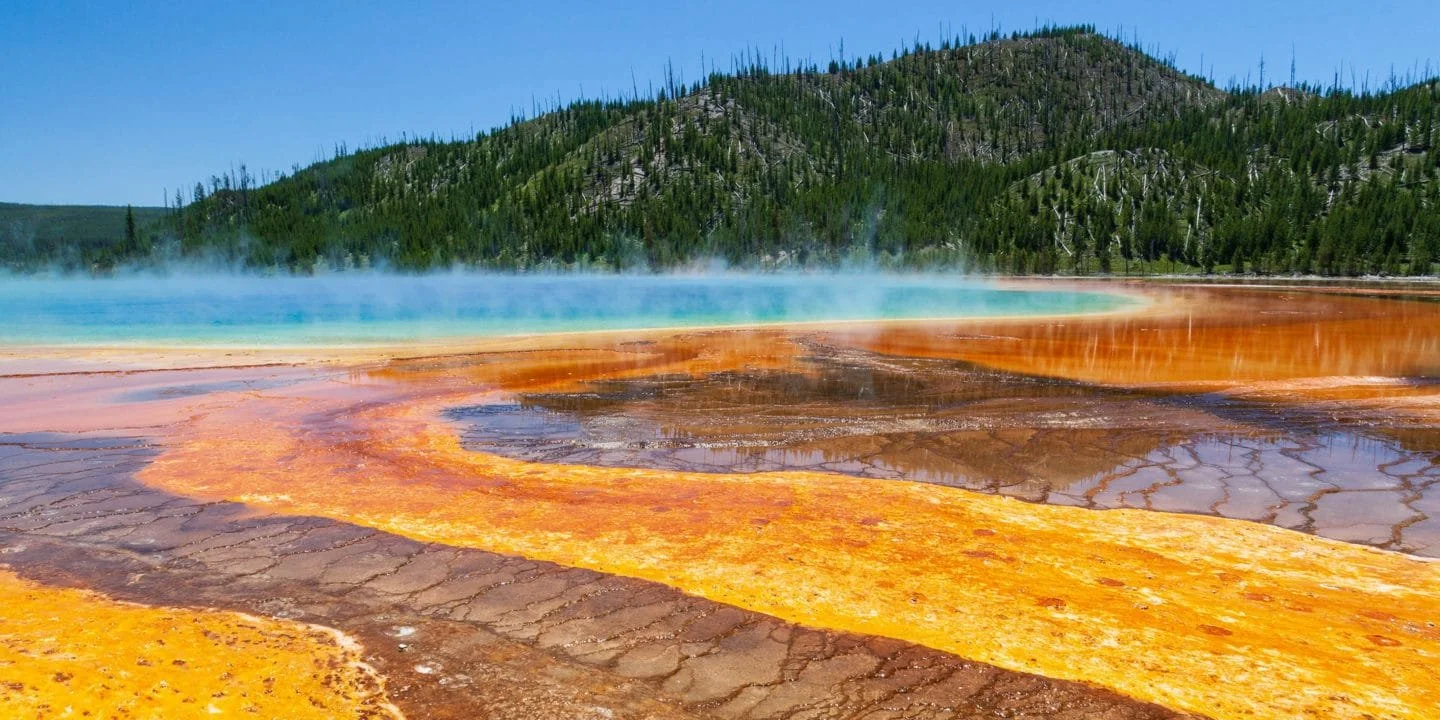
Yellowstone Supervolcano's 100,000-Year Eruption Cycle
Claire Anderson