
On April 30th, Wyoming, MI was officially put under a water boil advisory for bacterial concerns. Schools were told to block off all water fountains, and most people relied on only water bottles. Tap water wasn’t an option – unless people had the time to boil and filter it. By May 2nd, however, the ban was lifted. Supposedly, the concerns came from a pressure drop in the water system caused by a power outage.
The bacteria, however, is generally harmless and actually fairly common. All the measures that were taken were merely precautionary, simply just a way for them to be able to test to see if the water meets drinking standards before any real harm was done. Residents of the affected areas were informed that by boiling the water, it can kill the bacteria and make it safe to drink again. But, for things like brushing teeth and drinking, water bottles were the safest measures. Because of this, the city actually ended up offering free water bottles for any who needed it.
After the advisory was lifted a mere two days later, residents were told to flush all their plumbing and faucets to ensure that all possibly contaminated water was gone. During the period, many citizens weren’t pleased about not being able to shower, bathe, or wash any dishes. Regardless, because the advisory was only two days, many people just made do with water bottles.
Boil water advisories are relatively common in the U.S. However, Do Not Drink advisories are rarer, and are typically only used for chemical spills, floods, and hurricanes. The boil water type are mostly used for water line breaks, loss of pressure, treatment disruptions, or possible contamination from bacteria, viruses, or parasites. In Michigan, these don’t happen very often.
There are strict water regulations and frequent testing that help maintain safe drinking water quality. This is related to the Part 4 Water Quality Standards set in place to help protect the Great Lakes.
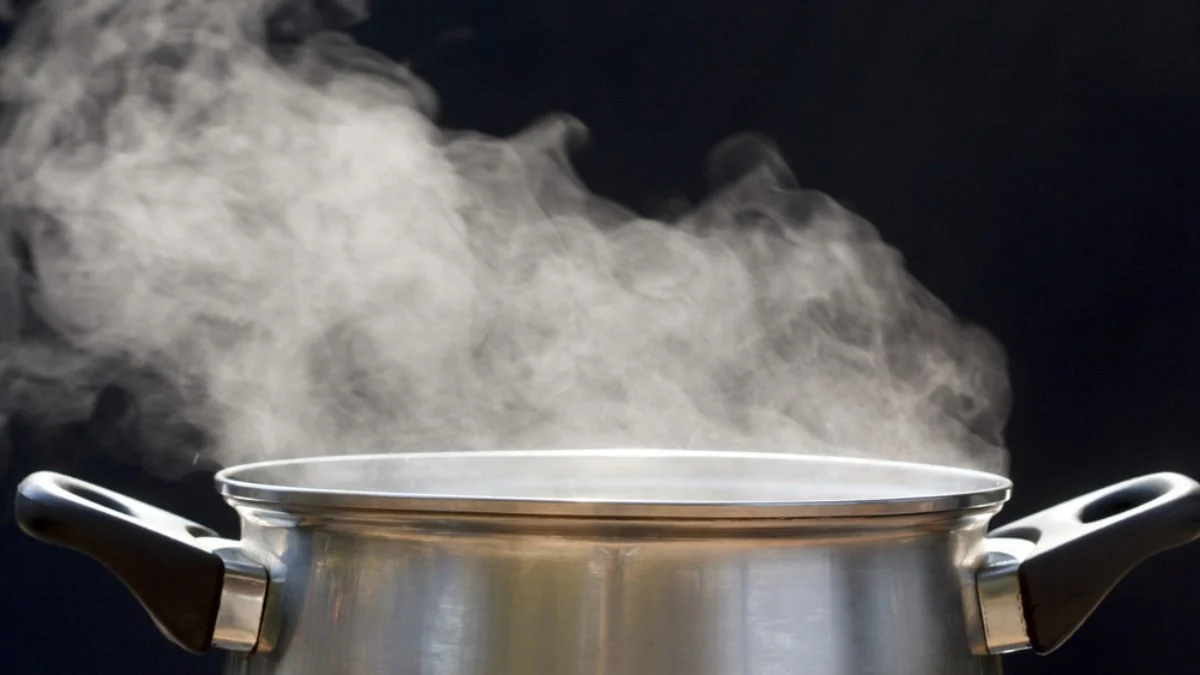
Wyoming, Michigan Lifts Boil Water Advisory After Brief Outage
Victoria Jones