

From a young age, many children learn about bears and their winter habits. The general consensus is that bears head into a cave to sleep the winter away. However, singer and songwriter Cater Vail went viral for writing a song about the truth in 2023. Bears do not sleep all winter. When he posted it again with the title ‘Hibernation is Nonsense’ in 2024, it got over 16 million views. The comment section was filled with people admitting that they didn’t know the truth until then. And as the song goes, “bears don’t fall asleep all winter; that was just hyperbole.” The specific details of these creature’s winter naps tend to escape most people, but it’s a unique process. Bears have amazing physiological adaptations that allow them to survive the winter despite the lack of food and water, and ‘hibernation’ is only part of that.
In autumn, bears enter a state of hyperphagia. Hyperphagia is excessive eating and in bears is intended to increase their fat stores for the upcoming winter. Bears can eat around 20,000 calories and put on up to three pounds a day. Katmai National Park and Preserve even has a competition centered around this phenomenon called “Fat Bear Week.” Fat Bear Week is an annual competition with weekly matchups between different bears with pictures showing the difference in size from the summer to the fall. After Fat Bear Week, Katmai bears like all others head into hibernation. At least, that is what people normally believe.
According to the Alaskan Wildlife Conservation Center, bears don’t hibernate at all. Instead, they enter a state of torpor. Torpor is similar to hibernation; however, torpor involves a far shorter and lighter period of sleep. This lighter sleep allows animals in torpor to wake up faster then true hibernators. Unlike hibernation which is a voluntary action, torpor is an involuntary survival instinct triggered by colder temperatures and dwindling food sources. When entering these winter naps, bears heart rate, metabolism, breathing rate, and temperature all lessen. The National Forest Foundation says that bears can remain in torpor for up to a hundred days without drinking water, eating food, or passing waste. Bears also manage to gain muscle mass while they sleep. During the times that they are asleep, bears break down a toxic substance found in urine called urea into protein used to preserve organs and muscles. Scientists are even looking into these phenomenons to help treat different diseases and to help humans to get further into space. While scientists try and find ways to apply animal habits to assist human life, it’s important to know at least the basics of the natural world. Maybe even starting with the fact that bears don’t sleep all winter. Whether it’s from a youtube short or a scientific article, learning more about the world around is important.
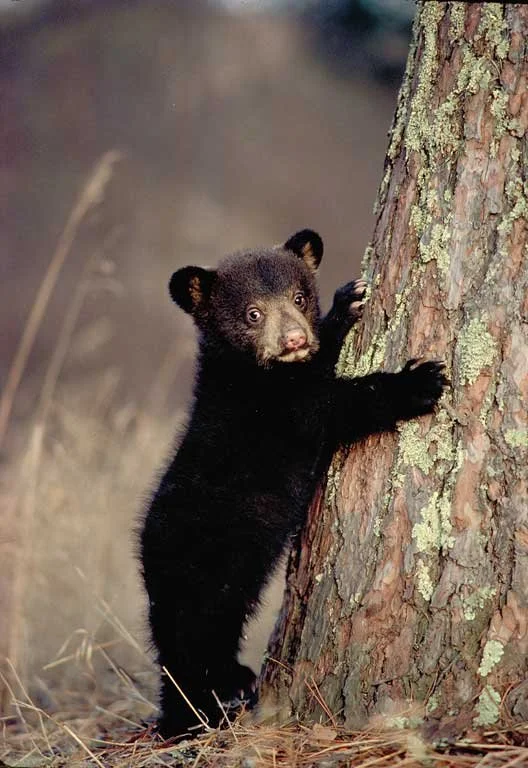
Viral Song Debunks Century-Old Myth About Bears
Jordyn Visser