
Social Security, once thought too politically toxic to touch, has been marked up by the Trump Administration with changes being set into effect later this year.
The flurry of alterations announced to the agency includes plans to cut thousands of jobs, close offices and enact new policy. It is already difficult for many seniors to receive their entitlements, but with cuts to agency staff and benefits, it may become even harder.
For years, advocates have said that the Social Security Administration has struggled to keep up with its growing workload. More than 7 million Americans 65 and older receive at least 90 percent of their income from Social Security. Besides retirement services, the agency runs programs that provide survivor benefits and disability benefits and supplemental income for the very poor; and there are simply not enough workers to keep the agency running at a decent pace. Problem-solving could get harder with plans to cut 7,000 jobs — a 12% reduction, even though current staffing of about 57,000 is already at a 50-year low. With the agency spending more time correcting errors and less time actually getting seniors and other beneficiaries the resources they need, financial devestations for many could become a hard-hitting reality; and any delay or interruption in payments could be catastrophic.
More thorough identity checks are being put in place as well, a result of the Trump Administration's emphasis on rooting out waste and fraud. The most controversial step that has been the announcement is that, by the end of the month, the SSA is changing identity verification rules. On March 31, 2025, the SSA will enforce online digital identity proofing and in- person identity proofing. These new guidelines will require beneficiaries to travel in-person to a Social Security office for both benefit claims and direct deposit changes, if they are unable to use the online verification system. However, making a trek out to the office is not feasible for many receiving social security checks for disability purposes. The move to force beneficiaries back into the office rather than keeping resources online could result in longer wait times and more backlog to resolve customer needs.
There is also the case of a potential change to the full retirement age. Although no official change has been implemented, SSA officials and lawmakers have floated proposals that would gradually raise the retirement age to 68 or even 70, depending on an individual's birth year. These changes are being made amidst DOGE plans to cut down the size of government.
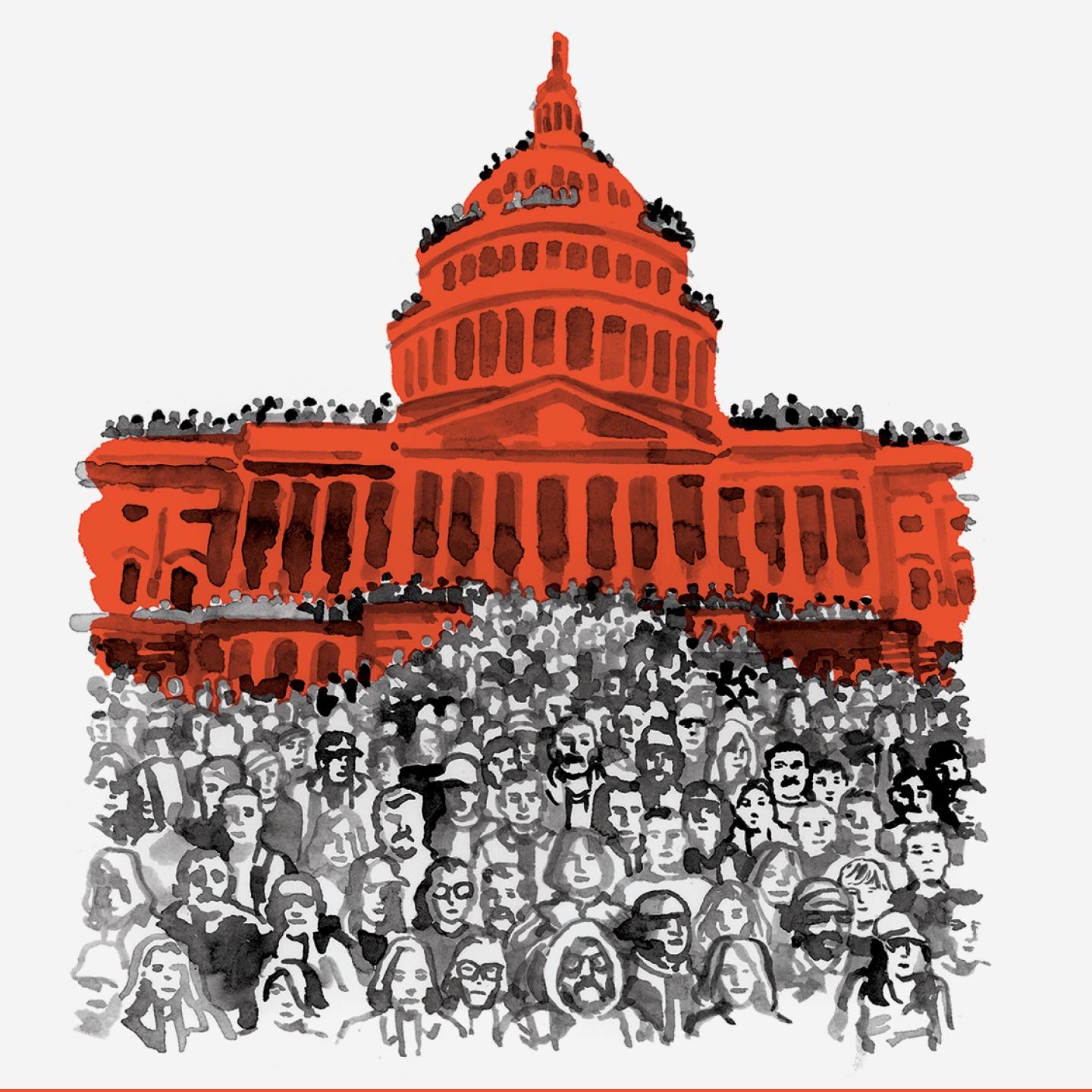
Trump Administration's Plan to Cut Government Size May Come at a Cost to Seniors' Benefits
Lauryn Jelsema