

Holiday aftermath is typically overlooked, with all the joy and celebration prepping for the holidays, but what actually happens afterward? What are the effects of the cold winter after the months of back-to-back holidays?
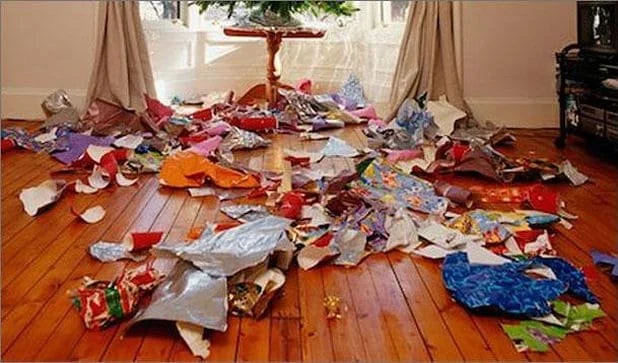
Decorating for Christmas and celebrating other holidays like Thanksgiving and New Years are common in November through the first of January. Putting up the Christmas tree, cooking the turkey, and buying party hats are activities many participate in, but require taking things down eventually. Sophomore Natalie Bozung said, “Usually after New Years, it makes my heart hurt.” Many take down their decorations shortly after the holidays conclude, and this can bring negative feelings. Wrapping paper is another thing being thrown away after parties end. According to Ridwell, a recycling service, large amounts or wrapping paper end up in landfills, and often are unable to be recycled due to materials like foil, glitter, and plastic coatings. The U.S. throws away an estimated 2.3 million pounds of wrapping paper annually, with a 25% increase in waste during the holidays. Moreover, Christmas decoration destruction can contribute to waste and low spirits after the holidays.
For some, it can be sad to pack up everything from the holidays and prepare to endure the winter. The end of the holidays can contribute to seasonal depression once people have nothing to look forward to. According to Silver Lake Psychology, a mental health network of therapists, post holiday depression can occur due to increased stress, disrupted routines, and the realization the holidays are over. After such a busy holiday season, it can be difficult to transition to a slower paced season. In the wintertime, due to daylight savings and the earth's position, it gets dark earlier than any other season. This can create a dull look, and oftentimes is the coldest time of year. These conditions can play a part in the seasonal depression many individuals deal with.
The joy of the holidays can often be consuming and can easily cause people to increase spending. Whether it’s food, decorations, or especially presents, money is constantly a factor in the process of celebrating, and once the holidays are over, many are left spending more than what is recommended. According to Wela Financial Advisory, an investment advisory, the holiday season’s increased spending can cause financial strain and debt for individuals. It’s important to set a realistic budget to avoid overspending during the holidays. Financial stress can bring more worry and anxiety to people. Experts say it’s key to focus on positives after the holidays and during winter to help minimize the sadness and negative emotions that may occur after the holidays.
The Winter Slump: When Holiday Joy Fades Into Seasonal Depression
Olivia VanderLaan