

Extinction is a word that can feel alarming, especially today when it seems to affect many species, such as polar bears, penguins, or pandas. However, many might not realize that even more critically endangered animals exist.
For instance, the most endangered marine mammal is the Vaquita Porpoise. As of this year, only 7 to 10 individuals are believed to be left in the wild. They’re one of the smallest members in the dolphin, whale, and porpoise family, being roughly 5 feet long at full length. They have small black patches around their eyes and lips, and their backs are dark gray while their bellies are light gray. They’re typically very shy animals and do their best to avoid boats with engines actively running, which makes it quite difficult to observe in the wild, as well as their small bodies and the small groups they travel in.
Vaquitas only live in the northern part of the Gulf of California in Mexico, giving them the smallest geographical range of all marine mammals. The Gulf of California thrives on fish and shrimp and therefore is home to a large number of fishermen. Vaquita’s biggest threat is entanglement in gillnets, which are primarily used in fishing. They often get tangled in the gillnets, trapping them underwater until they drown. The deadliest gillnets for Vaquitas are the ones illegally set for Totoaba, a similarly sized fish that lives in the same geographical area and is also endangered. Totoaba are protected by the Convention on the International Trade in Endangered Species, so catching them is illegal; however, that does not stop people from illegally setting gillnets to catch them, and because Vaquitas and Totoabas are similar in size, Vaquitas can get caught in them very easily. The illegal fishing of Totoabas dropped the Vaquita’s population significantly, roughly around 50 percent each year.
Scientists, nongovernment agencies, and the Mexican government agree that in order to save Vaquitas from extinction, gillnet fishing has to be banned from their habitat, and they created foundations to do so. However, this didn’t stop people from illegally using gillnets, and the population has been continuously dropping. There’s still hope to save their species from total extinction. Communities of people have come together to make it happen. Anyone can help just by spreading awareness and telling friends and family. People can also sign petitions to get the Mexican government to step up its efforts, and/or by donating to some of the many conservation efforts there are. There are so many options to help the Vaquitas, and every person and effort is beneficial to saving their population.
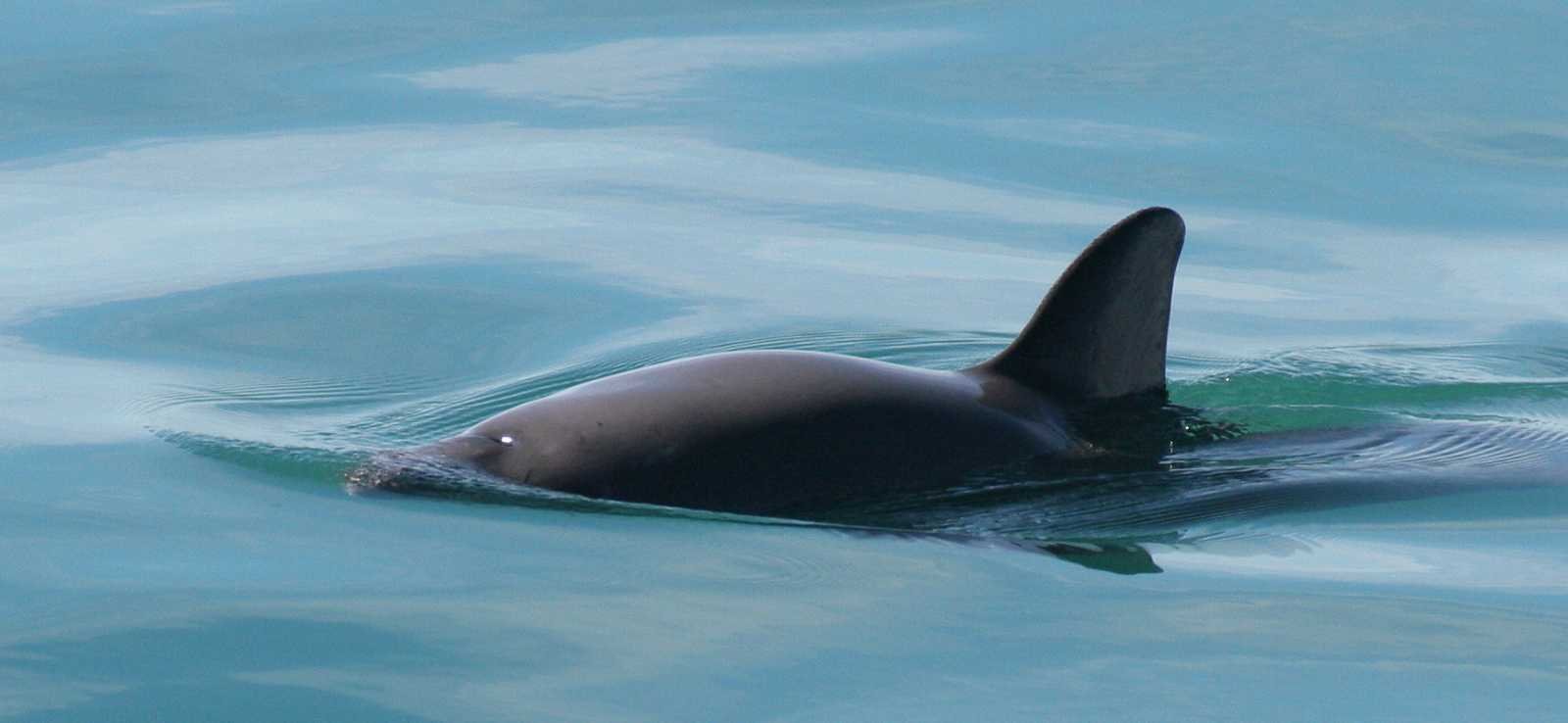
The Vaquita Porpoise: An Almost Forgotten Tragedy of Marine Extinction
Evelyn Vandlen