
Beanie babies, the pellet stuffed animals exploded onto the 90’s toy scene effectively whipping children and adults alike into a complete frenzy of greed.
Beanie babies first came about in the early 90’s. After being fired from his position at Dakin Toy Co., Ty Warner was inspired to go on and make atoy all his own. The idea came to him to create an “understuffed” toy cat, one that would be more poseable and floppy than other similar toys being sold at thetime.
In 1993, when the toys first hit the shelves, they took off swiftly. With their cute names, poems on their tags, and even their own birthdays, it wasn’ta surprise. They were a collector’s dream. Warner claimed his original intention was simply to create a stuffed toy that was cute and accessible.What he ended up with, would instead, turn out to be a cultural phenomenon.
When these $5 stuffed animals were suddenly going for hundreds, thousands, and even tens of thousands of dollars it was known as the “Beanie Baby Bubble”. Similarly to other investment bubbles, it is often seen as one”singular moment of irrational investing”. The Beanie Baby Bubble was due in large part to mass speculation that the toy’s value would increase dramatically in the years to follow. This idea drove many to near madness.
Warner began to employ the tactic of artificial scarcity. By “retiring” certain Beanie Babies he could increase the desirability and demand for that particular make. Products like plastic tag protectors, pricing guides, and magazines did well to lend to the craze.
In 1995 Ebay would launch, and within the first two years, Beanie Babies would make up six percent of all sales on the platform. By 1997, Beanie babies were at their peak. Prices were still climbing and Mcdonald’s had just begun dishing out Teenie Beanie Babies in their happy meals. But as Beanie Babies had reached their height, so did Beanie Crimes. “Beanie Burglars” they were called. Thieves who would break into families' homes and steal entire collections of Beanie babies. They robbed homes,warehouses, and restaurants. Even Warner’s own employees were stealing and selling off the toys.
Counterfeit Beanie Babies were being pumped out in mass amounts and smuggled into the country. In one famous bust, police expected to confiscate illegal drugs, but instead found hundreds of counterfeit Beanie Babies at the airport. Divorce settlements, armed robberies, and fraud all came from the craze, but the lunacy did not end there; children, the very people these toys were supposedly being made for, were trampled by collectors in toy stores. People were being attacked over these toys, sometimes with weapons. In the most extreme cases, people were killing for them. Many risked their lives and financial well being in the hopes of cashing in a Beanie Baby and would still be paying off their debt well into the 2000’s. It seemed like Warner’s empire would never end.
But in 1999 there came a surprise announcement from Ty Warner, and in it he revealed that by the end of the year his company would be through with Beanie Babies. Consumers saw right through the marketing ploy and were not enticed to buy more. They were soon proven right as Warner would later agree to continue producing the toy.
The downfall of the Beanie Baby craze kicked up a notch, as the resale market began to plummet violently and it was bombarded with new inventory that it could not sell. Many of these toys now sold for less than their original price, however, animals with a misprint or that were an early edition were still highly sought after and managed to retain their value. In 2025, Beanie Babies may still be relevant, but they could never again regain the momentum that they once had.
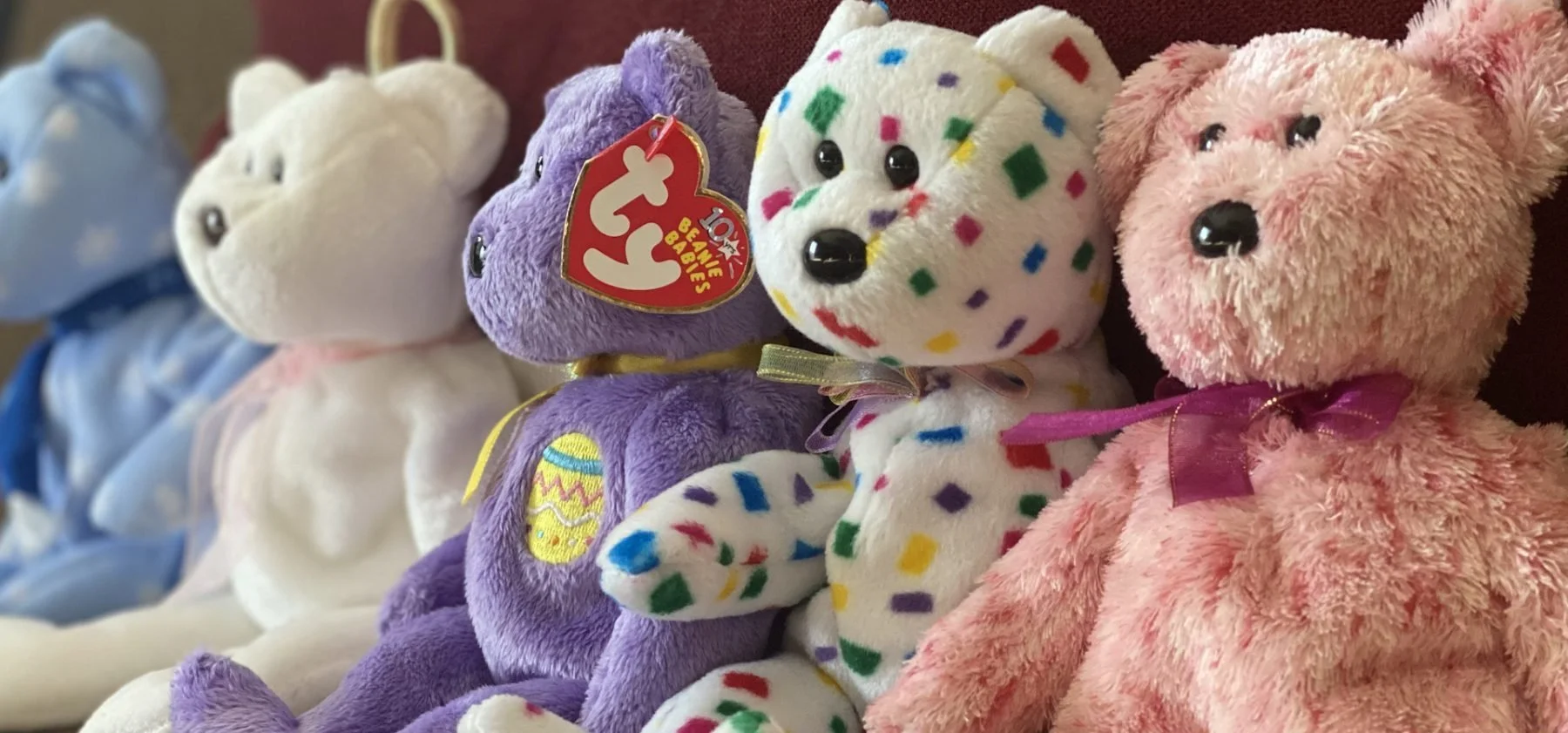
The Rise and Fall of the Beanie Baby Empire
Lily English