
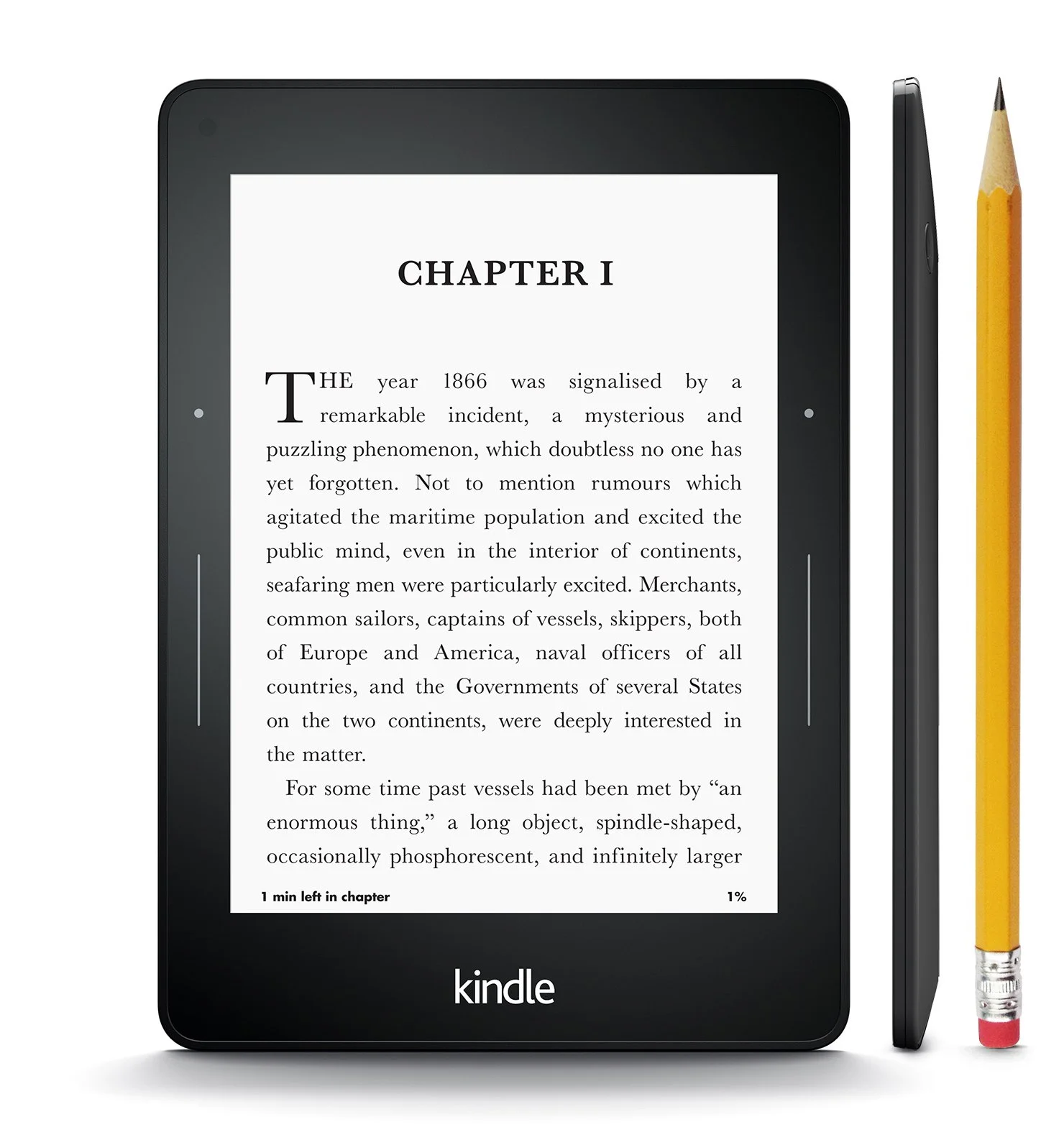
Digital books are rising in popularity, yet they are not the best for the brain. Digital books have
more downsides than physical books.
A physical book can help with comprehension of the plot. When a page is turned in a book, the
brain will map it. The brain will remember what is on the page that was just read, according to
Psychology Today. People who read physical books have been seen to have better test scores in things
such as empathy and understanding the plot.
Digital books are full of blue light and are hard on the eyes. When a book is read on a screen, the
eyes stay in one place as the finger scrolls down. When the eyes stay open and in one place for a long
period this can cause irritation. Blue light is a cause of migraine attacks, according to The Mayo Clinic.
Blue light is not only a cause of a migraine but it will also worsen the effects of a migraine.
When a person reads a digital book the light from the screen is likely to keep them awake and
make a person feel worse when they wake up. However, when they read a physical book the brain slows
down and makes it easier to fall asleep. At night light, especially blue light, can throw the body's internal
clock off, according to Harvard Health Publishing.
Some might argue that digital books are cheaper than their physical counterparts. While that is
true, people have to think about the problems that come with owning a digital book. These books can
take time to download and are easy to accidentally delete. If that happens, chances are the person will
have to buy a new copy.
Physical books can last a long time and not fall apart. The average paperback book lasts between
ten and twenty years, according to Print Bind Ship. The book may take damage but it shouldn’t fall apart
for a while.
Physical books bring nostalgia with them. They feel different than a digital book. The texture of a
book's pages and the scent of a book are just unique to itself, according to Managed Outsource
Solutions. The emotions and the uniqueness of a book can never be fully captured by a device.
The Power Paper Holds Over Literature
Rebecca Kooiker