
A long-simmering legal battle has escalated in recent years between U.S.-based footwear giant UGG, owned by Deckers Outdoor Corporation, and Australian shoemaker UGG Since 1974, reigniting debate over the origins and ownership of the iconic sheepskin boot. UGG, a brand synonymous with cozy winter footwear, holds trademarks in more than 130 countries and has aggressively defended its intellectual property. However, UGG Since 1974, a family-run business based in Queensland, Australia, argues that “ugg” is a generic term in Australia used for decades to describe sheepskin boots, long before Deckers’ company started trademarking them.
The conflict centers around whether "UGG" is a brand or a generic descriptor. Deckers asserts that it lawfully purchased the UGG trademark in 1995 and has since built a multibillion-dollar global brand. The company has taken legal action against smaller producers, including UGGS Since 1974, for selling products under the “ugg” name outside Australia.
UGGS Since 1974 maintains that it does not sell outside the country and that it has the right to use the name domestically. “We’re not trying to infringe on anyone’s brand; we’re just preserving an Australian tradition,” said a spokesperson for the company.
The legal battle has prompted broader discussions about cultural appropriation and the limits of trademark law. While Australian law recognizes “ugg” as a generic term, U.S. and European courts have largely upheld Deckers’ trademark rights.
“Our authentic sheepskin boots continue to be handcrafted from start to finish at our custom-built workshop in South East Queensland, where we work tirelessly to maintain quality workmanship luxurious comfort, and timeless style in each and every pair of footwear we make. We don't use conveyor belts or employ mass-production techniques in the crafting of our boots. Instead, you’ll find one-of-a-kind leathers, the wooliest of Australian merino sheepskins, and traditional ugg boots being artfully crafted by our talented makers, most of whom have mastered their craft over decades of practice and precision,” said the UGG Since 1974 mission statement. The quality of UGG Since 1974 is said to be much better than UGG, but the shoes are sold in the same price range.
The case has yet to reach a definitive global resolution, but it continues to raise questions about who owns the rights to cultural products and how global trademarks interact with local traditions. As both companies hold their ground, consumers are left navigating a market divided between global branding and national heritage.
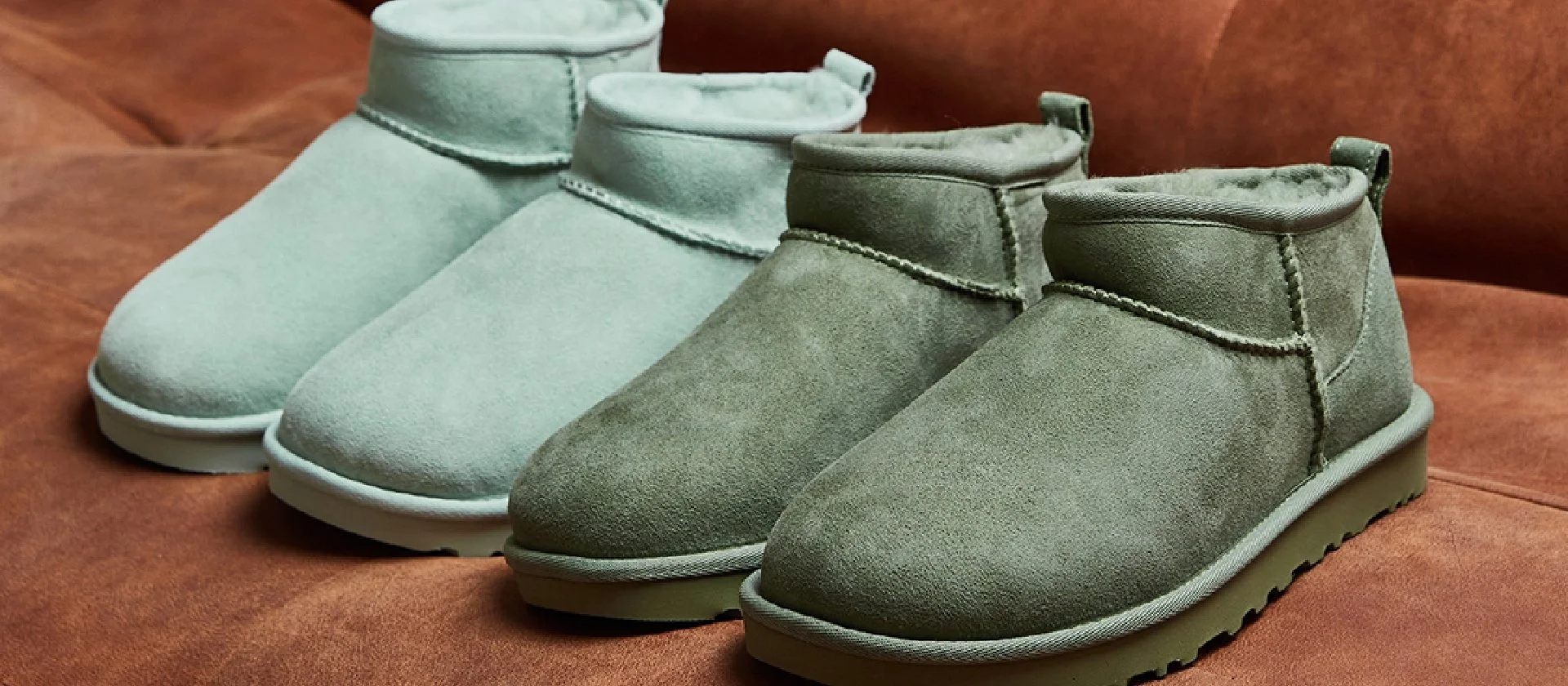
UGG Seeks to Protect Global Brand Against Australian Roots
Claire Anderson