

Anyone who's been online in the past few years may remember the increasing number of rapidly rising and falling trends that affect almost all aspects of daily life: micro-trends.
Global Fashion Agenda defines micro-trends as “A niche or industry-specific consumer behavioural trend which is mass market-ready and actionable.” Micro-trends also take easily recognizable notions or objects and turn them into marketable products or appearances, such as ‘cherry-cola hair’ or the ‘mob wife aesthetic.’ Prior to these quick-moving trends, most trend-cycles lasted around a decade to 20 years, defining periods of time–like the ‘Roaring 20s.’ Most trends follow five stages: introduction, rise, peak, decline, and obsolescence. But contributing factors such as social media, social isolation, and the fast fashion industry rapidly increase the speed at which the stages come and go–fuelling the creation of micro-trends that follow niche aesthetics in efforts to gain the most attention and profit possible, facilitating overconsumption of clothing and other products. Due to this, the creation and dying of these fleeting trends bring more harm to environmental concerns and conservation efforts as they promote the single-use and discarding of garments, makeup, and other items–according to the University of Pennsylvania’s Environmental Innovation Initiative.
Although people may confuse these rapidly moving trends with subcultures like goth or punk, they do not challenge mainstream culture or base themselves on differing beliefs, challenges, or values. These trends move too quickly for people to found a community on its base, as most people following them do not foster similar views or find themselves hurried along into the next trend.
This upcoming fall season, new fast fashion fads and niche-ish trends to fuel artificial aesthetics have already begun to show prevalence. Vogue magazine has already released columns on upcoming “trends to look out for” this fall to fit into the idealized aesthetic of the season, such as stripes, boots, suede jackets with bottle collars, and modern preparatory style. However, the trends this fall greatly contrast those of the spring and summer seasons: Mediterranean/Greek Summer, the rise of the ‘performative male’ lifestyle and aesthetic, and softer colors like butter yellow and pale pinks.
Micro-trends also exist in other aspects of life, outside of clothing and fashion, such as food, lifestyle, culture, and even mindset. Most recently, Dubai chocolates and drinking matcha became the trend of the summer, alongside the performative male lifestyle, alongside a dying, but still somewhat relevant ‘clean girl aesthetic’ that focuses on minimalism and self-care; specifically for women. Brat-summer also made a reappearance–based on Charlie XCX’s Brat– as well as bloke/blokette–based on British culture from the 90s–and Boho Chic–based on 70s clothing and political beliefs, specifically that of the stereotypical ‘hippie.’ But like all trends in this quick-moving cycle, they rose and died quickly enough to give one whiplash.
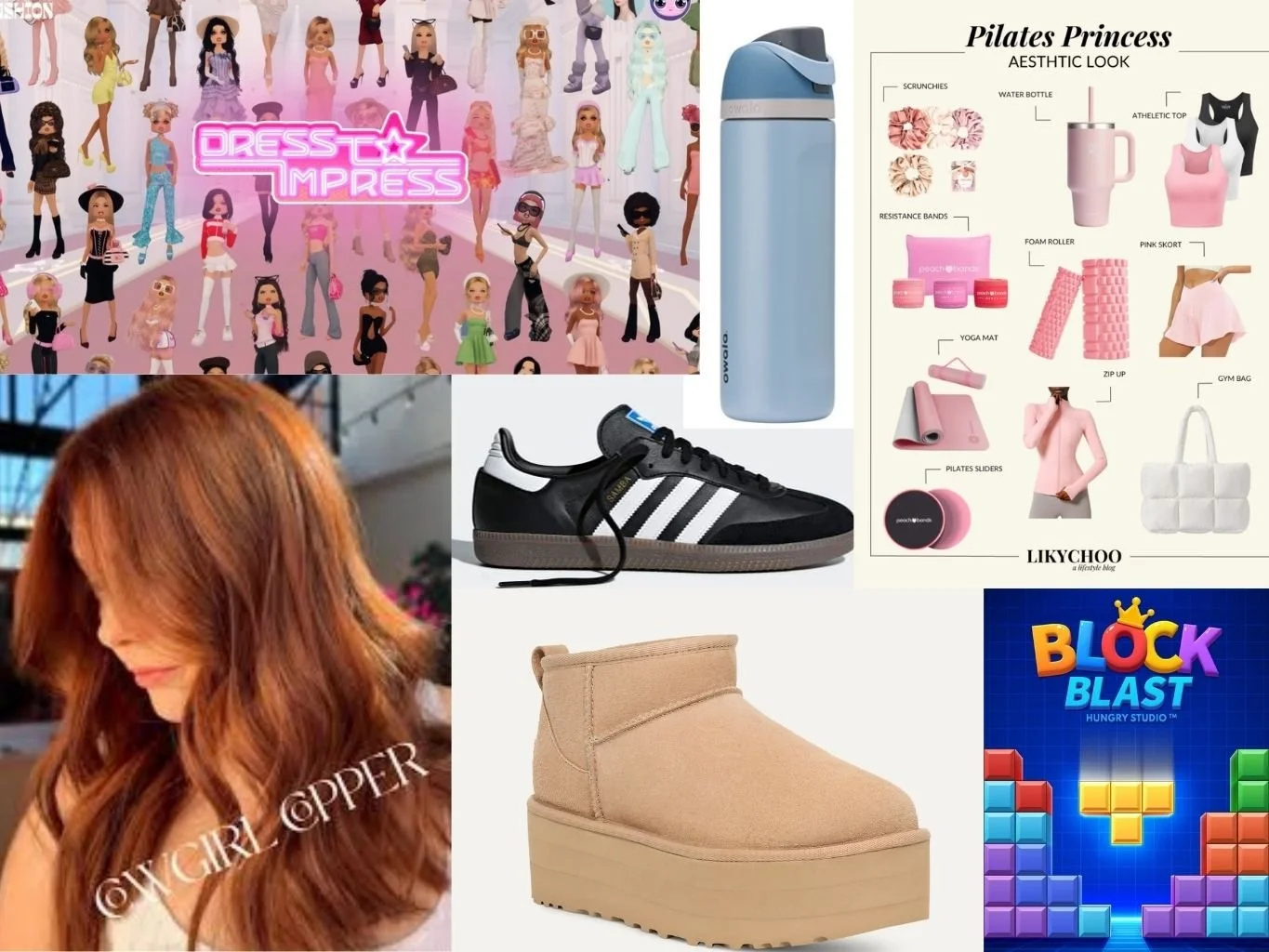
The Micro-Trend Phenomenon: Why Fashion Cycles Are Spinning Out of Control
Jaycee Clemens