
Since their invention, using smartphones and computers to capture memories has become effortless. Typically, an average person stores around 2,795 photos on their smartphone according to Photoaid. People use their phones to take thousands of pictures instead of a camera, stream music rather than utilizing CDs and records, and use a notes app instead of a journal. When someone strictly uses mobile devices to document their lives and memories, they miss out on opportunities to express themselves creatively and keep long-lasting mementos.
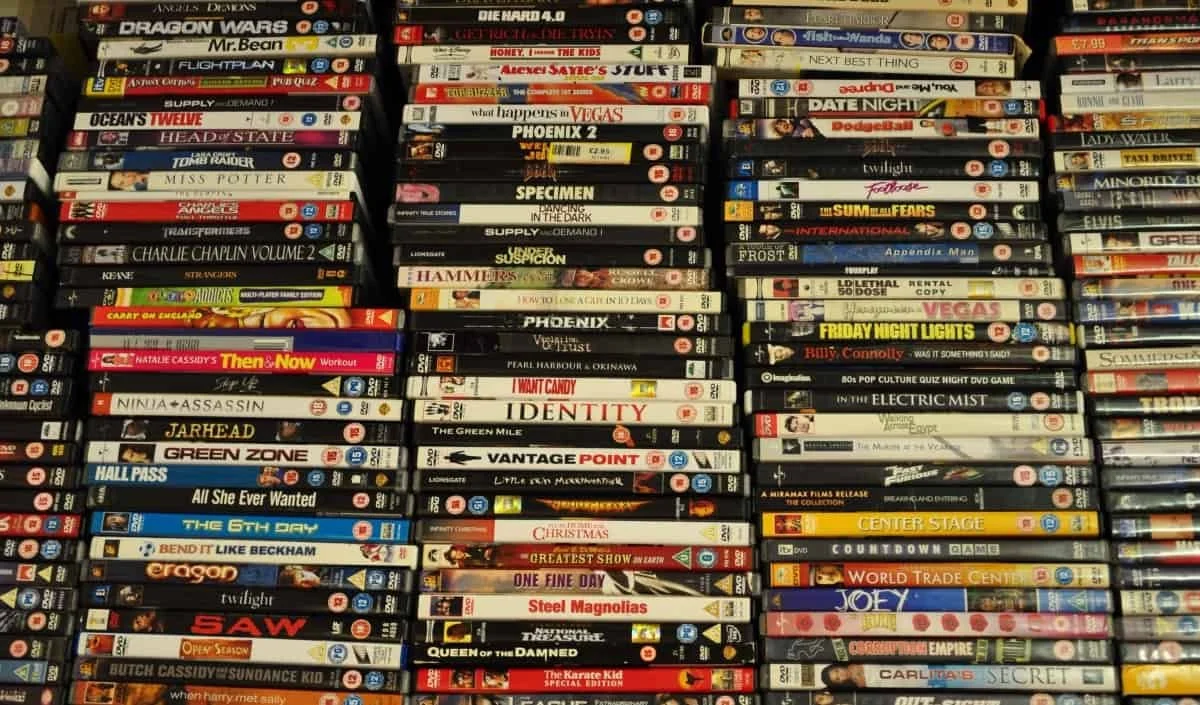
Physical media, such as newspapers, diaries, compact discs, and printed photographs, engage an individual's senses in a way that digital media fails to replicate. Digital media is primarily consumed through a screen, which may induce a sense of detachment for the user. Although digital media often possesses greater visual appeal, it does not offer the same sensory richness and tangible experience that physical media provides.
Tangible media also offers a greater sense of permanence. Digital media is often completely inaccessible if the internet fails. Digital media can also easily be lost, corrupted, or deleted, while physical objects remain relatively durable. Physical media can also carry a unique significance. An author-signed book, gifted records, or scrapbooks hold sentimental value that digital media cannot recreate. By choosing to preserve and appreciate tangible objects, people can ensure that their stories and experiences continue to be remembered long into the future.
Of course, digital media has its own advantages. With around 5.35 billion people online, according to DataReportal, digital media is highly accessible with a vast and diverse collection of knowledge online. With a nearly endless array of knowledge and programs at one’s fingertips, it is easy to depend on the Internet for any question or creative interest. This convenience is especially appealing in today’s fast-paced world. Although digital media has its own set of advantages, it is important to recognize the unique value of tangible media and find a way to easily use both physical and digital media in one’s everyday life.
Although digital media has its benefits, physical media provides a unique experience that deserves recognition. By engaging with the sensory depth, tangible nature, and personal touch of physical media, people can enhance their lives and deepen their appreciation for the art of their own creation and consumption.
The Lost Art of Physical Media: Why Tangible Memories Matter
Lydia Rousseau