
There was a 90 day extension for the future of Tik Tok in the U.S., by President Trump, two days before his inauguration. It had been scheduled to be banned January 19th because of national security threat when it unexpectedly got shut down a day before by the Biden Administration.
The app has become a threat to national security because it is owned by ByteDance which is a Chinese internet technology company. U.S officials are concerned that the Chinese government will use it to spy on Americans or influence the U.S public by presenting certain content. When interviewed by CBS News, Republican Senator Josh Hawley of Missouri said “If you have TikTok on your phone currently, it can track your whereabouts, it can read your text messages, it can track your every keystroke. It has access to your phone records.” U.S officials are worried that it's more than a national security threat, it’s also a personal security threat. In the same interview, Republican Senator Rand Paul of Kentucky said “Most of the reasons the government banned it were based on accusations, not proof.”
Back in March of 2023, Tik Tok CEO Shou Zi Chew testified during a hearing of the House Energy and Commerce Committee, on the national security issue. More than that, it discussed the platforms consumer privacy, data security practices, and harmful content. Shou Zi Chew was asked multiple times if he was a part of the Chinese Communist Party, and if he ever applied for Chinese citizenship. He repeatedly stated that he was a citizen of Singapore and had never wanted Chinese citizenship, nor wanted to be a part of the Communist Party. When the U.S lawmakers asked if ByteDance had links to China's communist rulers, Shou Zi Chew deflected questions about whether staff and top executives are Communist Party members. When interviewed by AP News Chew later said, “The communist party doesn’t have voting rights in ByteDance.”
Some American people feel that their First Amendment right has been violated during the matter. Some see the ban as a limit to their freedom of free expression and speech. This adds more complication to the issue as the U.S government figures out what to do, between protecting the American people from ‘communist influence’ and hindering their first amendment rights.
When interviewed by PBS news, Trump said, “I guess I have a warm spot for TikTok.” Toward the end of his first term, Trump denounced TikTok and stated it as a threat to America’s national security. Though, one of his first acts after his recent inauguration, was giving TikTok a 90 day extension to the ban. Trump gave the extension to the app in hopes that the U.S would get 50 percent ownership of TikTok, according to PBS news.
The future is unclear about TikTok and though the ban got an extension, TikTok is no longer on the App store. Though there hasn’t been recent news about what will happen to it, most of the Congressmen unanimously voted to ban it, yet the U.S waits to see if it can be bought by a U.S investor.
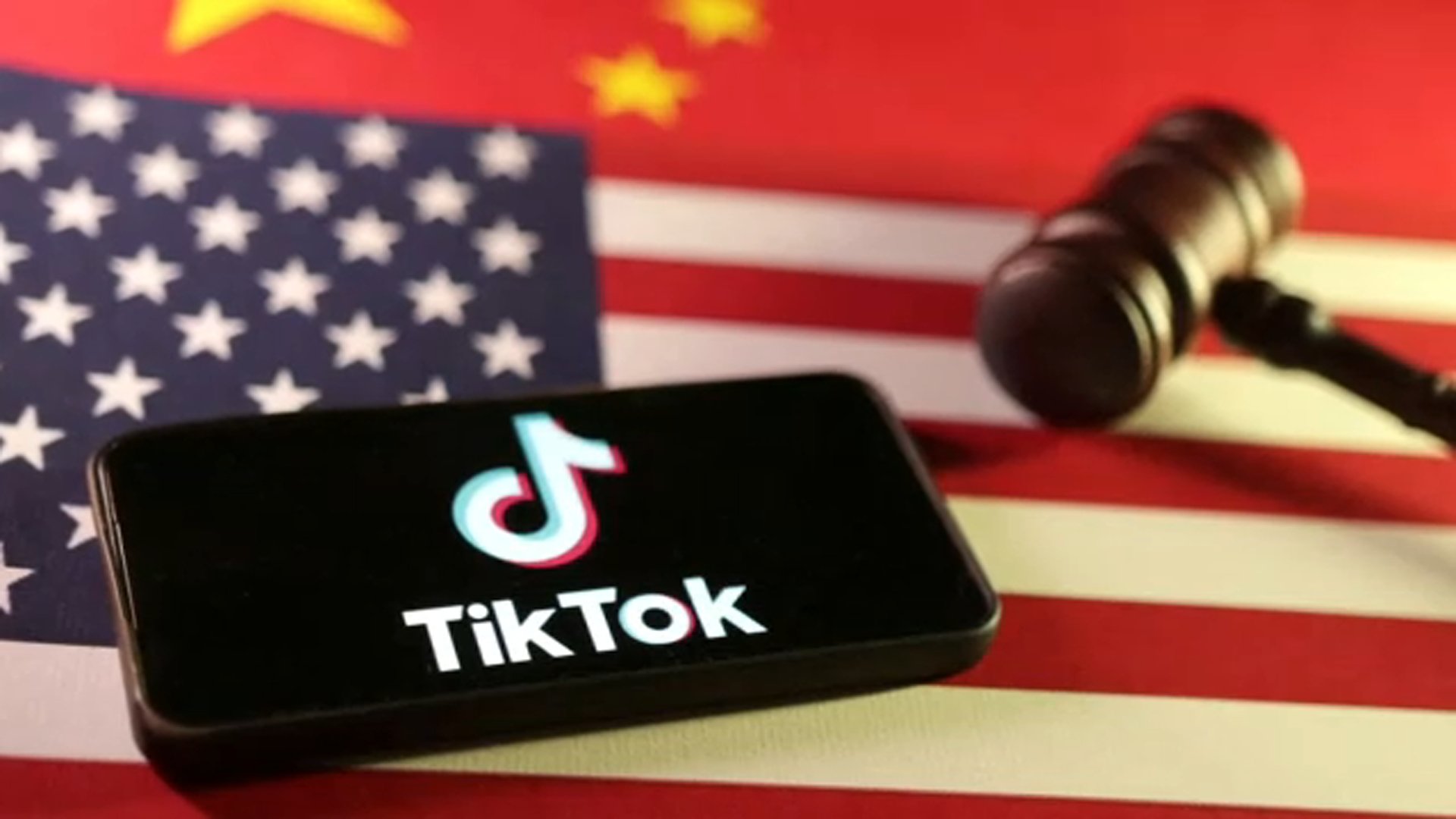
The Battle for TikTok: US Officials Worry About Chinese Government Influence and Data Security
Jada Diepenhorst