
In recent years, the intersection of antidepressant use and college life has become a focal point of discussion among mental health professionals, educators, and students. “About 1 in 5 college students, or 22%, report taking prescription antidepressants within the preceding year, the study found, and about 1 in 3 students, or 36%, has received professional counseling,” according to the 2023-2024 Healthy Mind Study. Sleepless nights, substance use, and respiratory viruses create the perfect storm for potential health complications.
Students tend to balance their time between school, family, friends, and extracurriculars, so as a result, things can start to pile up and become potential stressors. As the pressures of academic performance, social dynamics, and the concept of their future careers increase, more college students turn to antidepressants to manage their mental health. This trend has sparked debates about the efficacy and safety of these medications. The best medical recommendation is not to consume alcohol while taking antidepressants, yet parties, including binge drinking, are a common ritual in college culture.
Alcohol can cancel out the effects of antidepressants, leading a person to be more anxious and depressed. Since alcohol is a sedative, a central nervous system depressant, the subsequent drop in neurotransmitter levels can depress mood and make a person more likely to experience negative intrusive thoughts, anger, and anxiety. Alcohol impairs judgment, which can lead to embarrassing, damaging or dangerous actions, such as conversations, and drunk texting.
Many people also find that their alcohol tolerance is greatly increased while on antidepressant meds. Antidepressants magnify the effects of alcohol increasing sedation, damaging coordination, and reaction and judgment times. Drinking alcohol, which ultimately depletes these chemicals, therefore creates more work to improve a person’s mental health, which is the primary reason not to drink while taking antidepressants.
The medical risks of having one or maybe two drinks are quite low; however, most college drinks are already exceeding this amount. The worst outcome that could happen is death, but the more common outcome is seizures. A person on an antidepressant is more susceptible to having a seizure and when they add that with alcohol it can lower the seizure threshold even more.
The increase of reliance on antidepressants among college students highlights a critical concern about the well-being of students when combined with substance abuse.
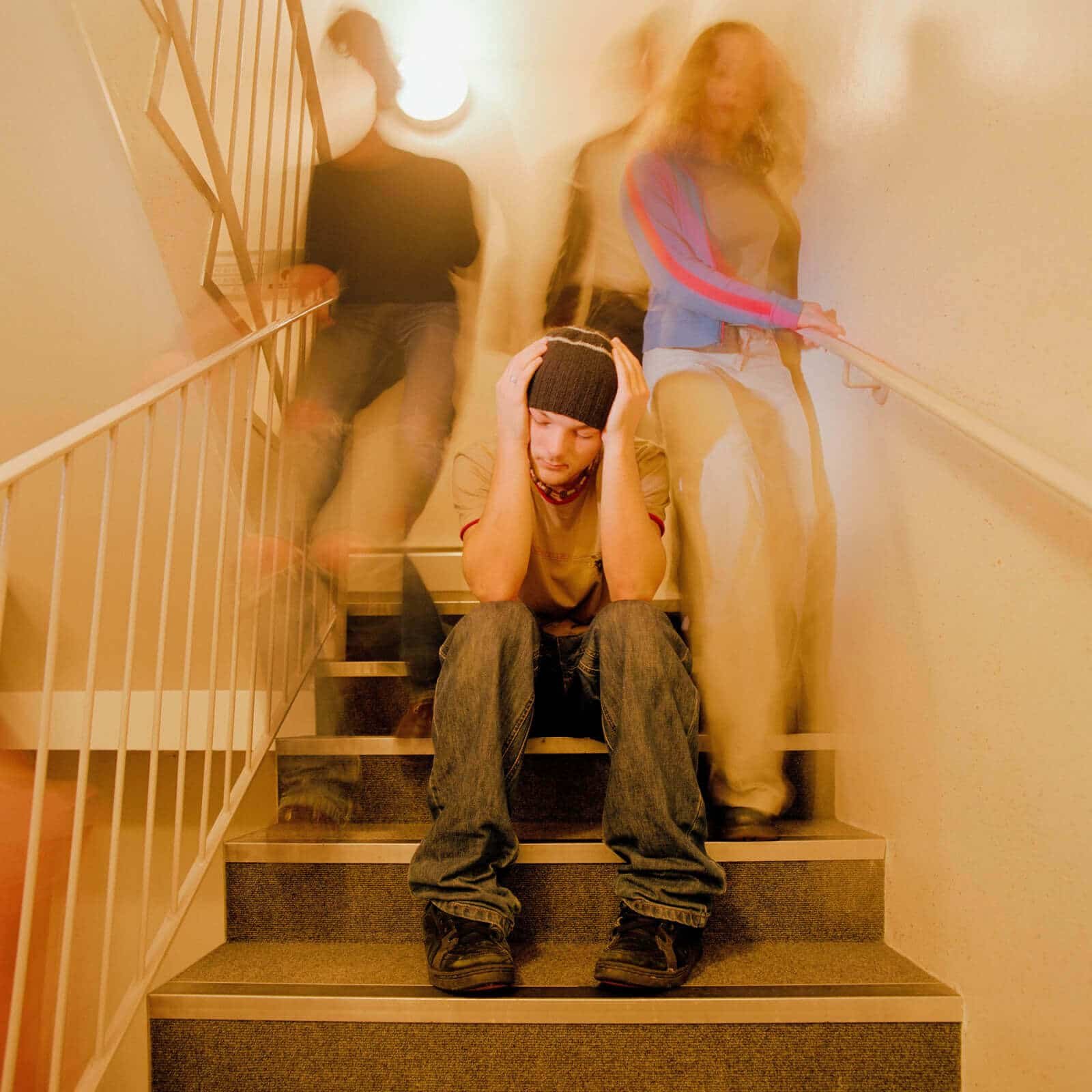
The Antidepressant Epidemic on College Campuses
Sam Seppla