

The school contains many different clubs, but one stands out when it comes to its main purpose: Green Team.
Josh Ernstes, APEs and anatomy teacher, is the main advisor of the Green Team. He took over after the previous director retired in 2024, Christine Webster, as she was the one to start it back around 2008. He took over the club after Webster had made it apparent that she didn’t want it to end after she left, so Ernstes, becoming the environmental science teacher, came to notice the importance of such a club “from a sustainability standpoint,” Ernstes said. He also explained that it’s not just an important club because of the environmental impact, but also the huge inclusivity of it. Anyone is welcome, it doesn’t matter who you are. “I think that’s important because it gives somewhere for all kids to be. Anybody can be part of Green Team. You don’t have to be good at, like say a sport, and make the cut. Everybody’s welcome and invited to join,” Ernstes said.
Every meeting happens on Tuesdays right after school, with snacks and small discussions in the beginning, and with the main part starting quickly afterward. The primary part is collecting recyclable cans and cardboard throughout the school in groups ranging from two to six people. Every group, before adventuring out, picks up a map of a specific area of the school, and that’s where one goes out to collect. Once returned, sorting commences of what is “no money” and “money” items. “No money” items are things that can still be recycled, typically non-fizzy drinks, but cannot be exchanged for money. “Money” items are things that can also be recycled, typically energy and fizzy drinks, that can be returned at stores for money. One can always check if something is recyclable by checking for the recycling symbol, and the very tops of cans or sides for MI. The money from the returnable cans and bottles is used for different things, such as snacks and more recycling containers throughout the school, or even donating to different charities when able to.
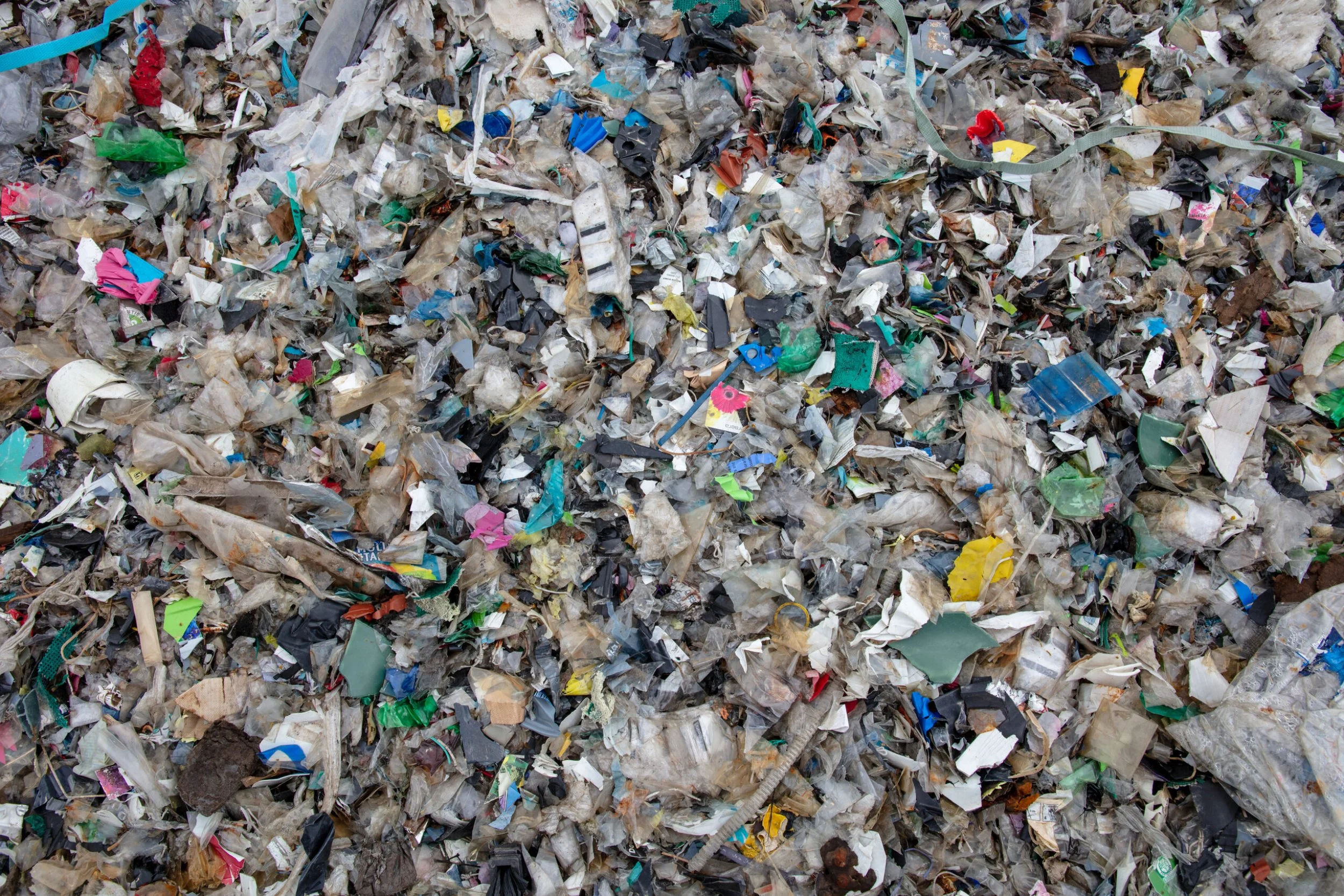
Thousands upon thousands of pounds of plastics have been recycled because of this very club. Just last year, they saved about 1,286 pounds, while the year before was 1,339 pounds, then 1,213 pounds, and so on. Webster began recording back around 2013-2014, and with an average of over 1,000 pounds every year, there has been well over 10,000 pounds in total that has been collected.
All plastic that cannot be returned is picked up by a recycling company that’s then processed in a recycling plant in Grand Rapids.
Teacher Continues Legacy of Inclusivity and Sustainability with Green Team
Savannah Garvelink