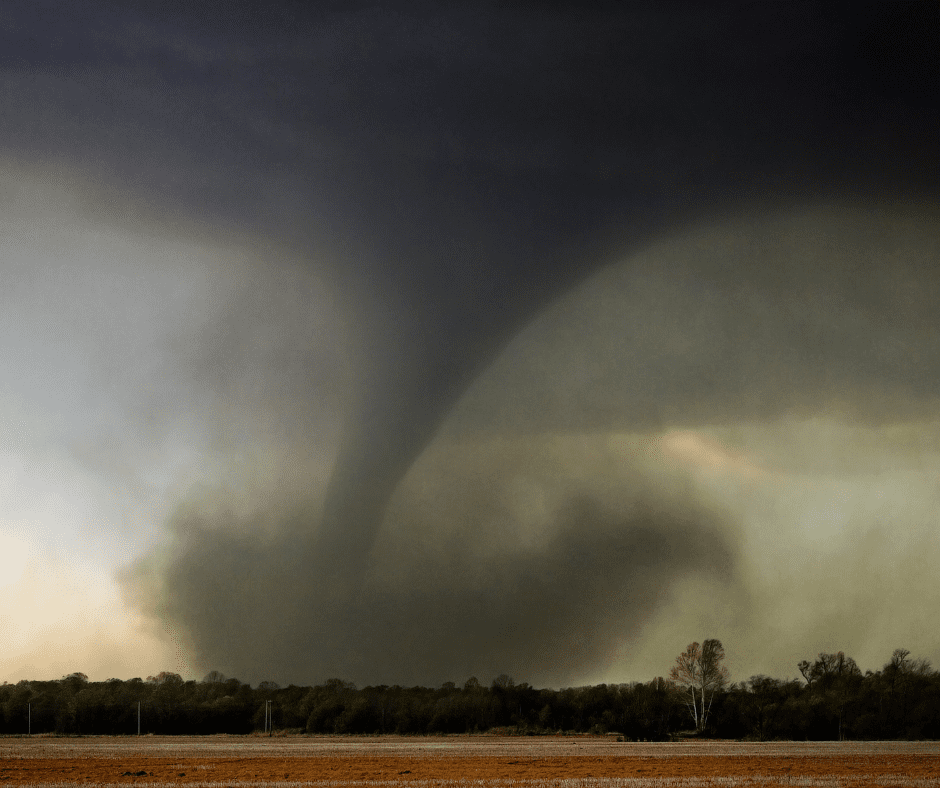
For decades, the name “Tornado Alley” has made Americans think of the flat and sprawling prairies of the Great Plains, but in recent years, Tornado Alley has been creeping its way toward the East.
Recently, the Alley has shifted about 400 miles, placing serious risks on these new danger zones. This Eastward migration of Tornado Alley may have significant implications for the Southeast. The Southeast is characterized by denser populations, more forests, and a higher number of mobile homes, factors that can increase the danger and difficulty of detecting tornadoes. The economic impact of the twisters could also be substantial, with increased damage to infrastructure and people’s personal property.
Scientists suggest that a combination of changing atmospheric conditions is contributing to this pattern. Warmer water temperatures in the Gulf of Mexico are providing more moisture into the atmosphere, which, when interacting with the unstable airmasses, creates conditions that are perfect for large and hazardous thunderstorms to form. Recently in the Great Plains, there has been a decrease in the atmospheric features that trigger the formation of the storms, and an increase in the features in the Southeast.
The consequences of Tornado Alley’s shift are already being observed. States in the Southeast have experienced particularly destructive tornado seasons in recent years, highlighting the vulnerability of communities less accustomed and prepared for these violent storms. Emergency officials emphasize the critical need for an increase of public awareness of tornadoes. Unlike the open plains of states like Texas, Oklahoma, and Kansas, where tornadoes can be seen from miles away, the dense forests of Southeastern states may obscure and hide tornadoes, giving people less time to react and prepare.
As tornado alley moves further southeast in 2025’s tornado season, which typically occurs during May and June, vigilance and preparedness will be crucial for mitigating the potential dangers in these shifting zones.
Southeast Braces for Increased Tornado Threat
Lydia Rousseau