
Movie ticket prices across the United States continue to climb, fueling growing concern among consumers and prompting new debate about the future of theatrical entertainment. Industry analysts say the increases stem from a combination of higher operating costs, changing audiences habits, and theaters’ ongoing efforts to recover from pandemic-era financial losses.
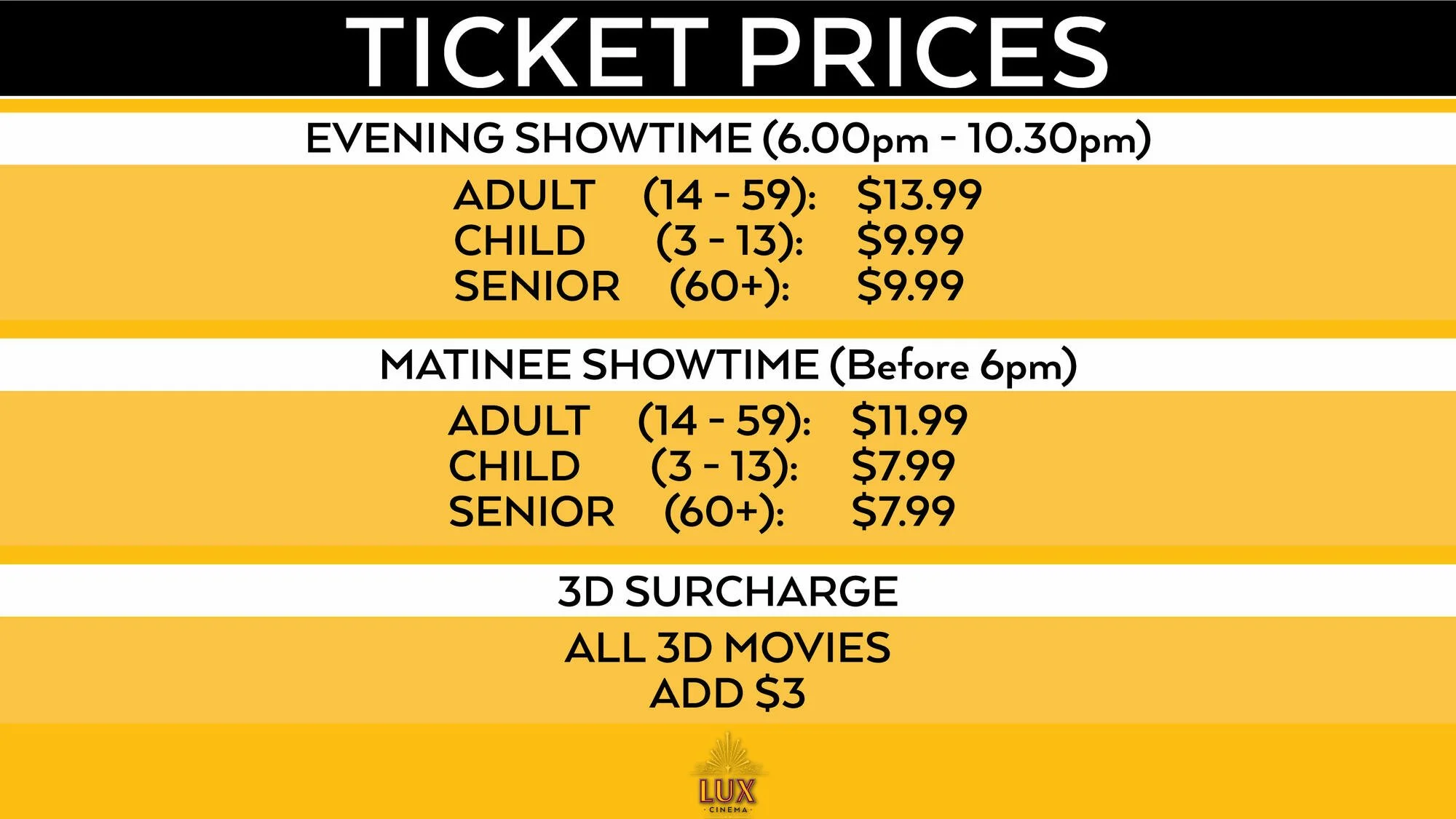
Many theater chains report that expenses related to staffing, maintenance, insurance, and technology upgrades have all risen sharply. Premium formats including IMAX, Dolby Cinema, and motion enhanced screenings are especially costly to operate, often resulting in even higher ticket prices. Some theaters have adopted dynamic pricing models, raising prices during peak demand and lowering them during less busy periods.
However, rising costs have not gone unnoticed by moviegoers. “Prices are too high,” said Junior Cameron Mao, adding that the ideal movie ticket price should be “around ten dollars.” Mao explained that with current prices often ranging far above that level in major cities, he increasingly prefers to stay home rather than visit a theater. “I like to stay at home to watch movies,” Mao said, noting that streaming services offer convenience and affordability that are difficult for theater chains to match.
This sentiment is not uncommon. Social media discussions show many consumers expressing frustration at what they view as the growing cost of a traditional night out at the movies. The combined expense of tickets, concessions, and transportation has led some audiences to reduce the number of films they see in theaters each year. Others say they now reserve their visits for large scale blockbusters or franchise releases that feel more suited to the big screen.
Theaters argue that despite higher prices, they are working to add value to the in person experience. Many chains have expanded loyalty programs, introduced monthly subscriptions passes, and invested heavily in upgraded recliner seating,enhanced sound systems, and expanded food menus. Industry leaders say these improvements are intended to justify ticket cost and differentiate theaters from at-home viewing platforms.
Analysts remain cautiously optimistic about the industry's outlook. While rising prices may continue to influence moviegoing habits the success of several major films this year suggest that audiences still seek communal large format experiences albeit less frequently and more selectively as the industry adapts, experts predict that pricing strategies, subscription models, and audience expectations will play increasingly central roles in shaping the future of movie theaters.
Soaring US Movie Ticket Prices Spark Consumer Backlash and Debate on Theater Futures
Coleton Van Tubergen