
According to TIME, Colossal – a company founded in 2021 and currently employs 130 scientists that work to bring back extinct species of animals – have deciphered the dire wolf genome and, using domestic dogs as surrogate mothers, brought Romulus, Remus, and their 2- month-old sister, Khaleesi, into the world. The three do what puppies do: chasing, nipping, nuzzling. However, there’s something very un-puppylike about them – their size and wild lupine behavior. These pups are wolves: dire wolves.
According to BBC, dire wolves once roamed the American range – as far south as Venezuela and as far north as Canada – but they have been extinct for 10,000 years. Various fossil remains of these wolves have since been found all over America – especially from the Rancho La Brea Tar Pits in Los Angeles. Because of these findings, Colossal Biosciences has been presented with an opportunity: to be the first ever to effectively de-extinctionize a lost line of snowy wolves.
There are many criticisms of de-extinctionizing animals – specifically the dire wolves. Most scientists are concerned about potential ecological disruption: threat to existing species with unintended consequences, ethical considerations: animal welfare and resource allocation, and the lack of clear understanding of how these genetically modified animals would behave in the ecosystem: unknown behavior and long-term impacts. According toVox, some say it’s the modern day remake of Jurassic Park: looks right, but could go so wrong.
Yet, Colossal isn’t stopping with the dire wolves. They are actively working on restoring the woolly mammoth, thylacine (Tasmanian Tiger), the dodo, and the red wolf. In fact, in March, Colossal surprised the scientist community by revealing that they were able to copy mammoth DNA to create a woolly mouse: cold-tolerant elephant mammoth hybrids. According to Colossal, these mice have an outlining purpose: to be brought back to the Arctic, where their grazing habits could help prevent the thaw of permafrost and the release of greenhouse gases being stored in it. Colossal is also trying to optimize elephants for cold weather, but since Asian elephants are endangered, the company isn’t able to test methods on them: this is where the woolly mice come in.
The Center for Biological Diversity has said that 30% of the planet’s genetic diversity will be lost by the year 2050, but Colossal insists that genetic engineering can be a vital tool to reverse this. The company believes that dire wolves and the woolly mouse are the first steps toward that direction.
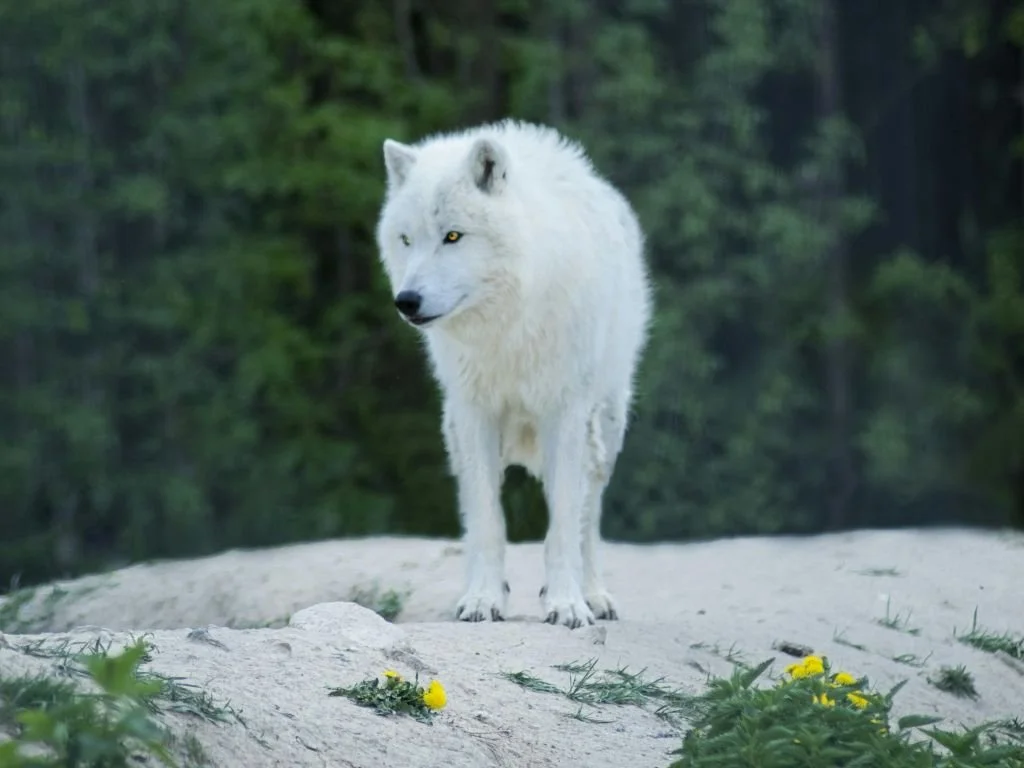
Scientists Successfully Bring Back Dire Wolves Through De-Extinction
Madelyn Bird