
In the initial weeks of his second term, President Donald Trump has enacted a series of executive orders aimed at reshaping various aspects of US policy. These directives address economic strategies, social policies, and governmental operations.
On February 3 2025, President Trump signed an executive order to establish a US sovereign wealth fund. This fund is intended to bolster American investments particularly infrastructure and medical research. The administration has tasked the Treasury and Commerce Departments with formulating a plan for the fund within 90 days. The specific sources of financing for this initiative remain under consideration.
Earlier, on February 1 2025, the President announced the imposition of tariffs on imports from Mexico, Canada, and China. These measures include a 25% tariff on all imports from Mexico, a 25% tariff on Canadian resources (except for energy resources which only face a 10% tariff) and a 10% tariff on Chinese imports. The administration cites these actions as efforts to protect domestic industries and address trade imbalances.
In a move affecting federal recognition of gender, President Trump issued an executive order mandating that the US government only recognize two genders: male and female. This order directs federal agencies to revise policies and official documents to align with this definition, impacting areas such as diversity programs and issuance of identification documents.
Additionally, the President has taken steps to withdraw the United States from United Nations Human Rights Council and to suspend funding to the United Nations Relief and Works Agency for Palestine Refugees (UNRWA). These decisions reflect long-standing criticisms of these organization’s perceived biases and are aligned with the administration’s foreign policy objectives.
The administration has also focused on restructuring federal agencies. An executive order was signed to establish the Department of Government Efficiency, co-led by Elon Musk. This department is tasked with reducing federal spending and streamlining government operations, with a goal of achieving significant budget reductions by July 4 2026.
Furthermore, a hiring freeze has been implemented across federal civilian positions within the executive branch. Exceptions to this freeze include roles related to immigration enforcement, national security, and public safety. The administration states that this measure is intended to control government expansion and promote fiscal responsibility.
These executive orders represent significant shifts in US policy, reflecting the administration’s priorities in economic management, social issues, and government reform. As these policies are implemented, they are expected to influence various sectors and prompt discussions on their long-term implications.
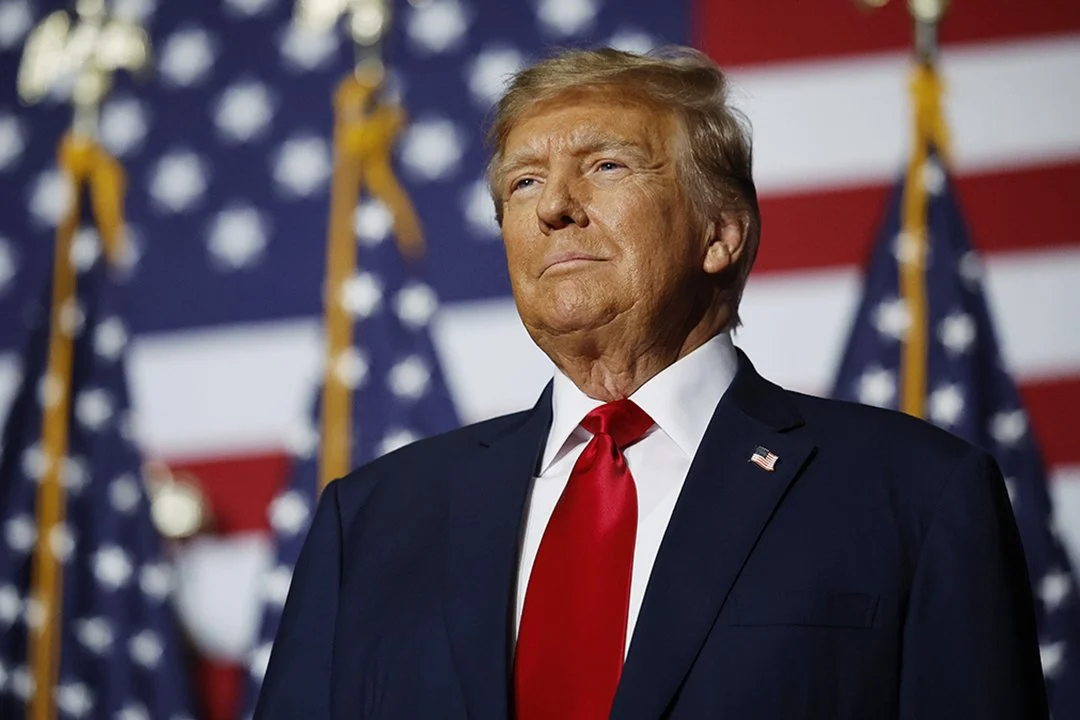
President Trump Enacts Sweeping Changes in Economic and Social Policies
Evelyn Rousseau