

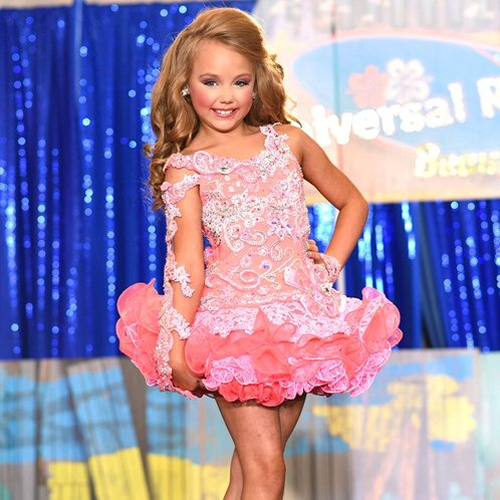
Since the 1960s, child beauty pageants have been a subject of controversy and drama. Since then, they have boomed into a multi-billion dollar industry, dragging in about $5 billion a year from nearly 5,000 competitions across the country. Although the pageants may be economically beneficial, they can be physically and mentally harmful to the children participating. When children are judged primarily on their looks, they learn that appearance equals value. The sequined gowns and heavy makeup don’t just transform toddlers into mini adults; they send a dangerous message that self-worth depends on perfection, applause, and external approval.
Behind the scenes, many of these contests push participants through grueling preparation, hours of practice, restrictive diets, and expensive costumes. Families often spend thousands of dollars for a competition, creating a culture of competition that can breed anxiety and resentment rather than genuine confidence. Psychologists have warned for years that early exposure to such pressure can lead to body image issues, eating disorders, and lifelong struggles with self-esteem. According to an article presented at the Academy for Eating Disorders International Conference on Eating Disorders, “Eleven women who participated in childhood beauty pageants were matched on age and BMI with 11 non-participating women. Childhood pageant participants scored higher on body dissatisfaction, interpersonal distrust, and impulse dysregulation than non-participants”
Defenders say that pageants are “just for fun,” but the spectacle is rarely innocent. The most extreme versions sexualize young girls, dressing them in adult-style clothing, makeup, and routines that blur the line between childhood and performance. The normalization of this practice not only robs children of their innocence but also exposes them to objectification and predators at an age when they are most vulnerable.
Some states have debated restrictions or age limits on child pageants, but real progress requires a cultural shift. Countries across seas, like France, have recognized the harmful nature of the pageants, which led to bans. In America, parents, organizers, and media must collectively reject the idea that little girls need awards and applause to feel valued. Childhood should be about curiosity, not competition; joy, not judgment.
The Mental Toll of America's Child Pageant Culture
Lydia Rousseau