

Surfing is a popular sport along the coasts of the world’s oceans with over 35 million surfers. However, few may know that surfing is available on their very own shores. People have been surfing the Great Lakes since the early 50’s. From then on, Lake Michigan has been very popular for lake surfing. Sheboygan, Wisconsin, often called the ‘Miami of the Midwest,’ which sits on the shores of Lake Michigan even hosted an annual surfing contest. According to the Wisconsin Department of Tourism, the Dairyland Surf Classic was the largest lake competition in the world from 1988 to its disbandment in 2012.
Another popular lake surfing location is Lake Superior. A famous freshwater surfer takes to Lake Superior whenever he can, despite it being known for its disastrous weather and icy waters. Dan Schetter, who is from Marquette, Michigan has become a local legend around Lake Superior. Even in the frigid temperatures of a Michigan winter, he heads out to the lake to hit the waves. However, the winter waters don’t leave him unscathed. Dan Schetter went viral in 2020 for his massive ice beard. His iconic beard is formed mid-surf as the freezing water solidifies in his hair.
The Inertia, an outdoor education site, explains that strong winter and fall storms on the lakes are often what cause ideal waves and because of the lakes smaller surface area, surfers must often go out in the middle of the storm in order to catch waves. Winter storms are especially dangerous with excessive snow and a phenomenon called shelf ice. Shelf ice is when sections of the lake surface freeze over creating large of ice. The storms, snow, and blocks of ice are only a few parts of the reason lake surfing is arguably more difficult than surfing in the ocean.
The Exploratorium, a website dedicated to explaining the science of the world around us, explains that one of the most important parts of surfing is the contrast between gravity and buoyancy because it keeps the board above water. The buoyancy in lakes is lesser because of the lack of salt therefore increasing the drag. The waves created somewhere onshore and carry over the lake also dissipate quicker and are closer together. This makes it harder for surfers to catch and ride waves because there’s less time to paddle out. All these factors have made the surfing population of the Great Lakes smaller than the population of people surfing the Pacific.
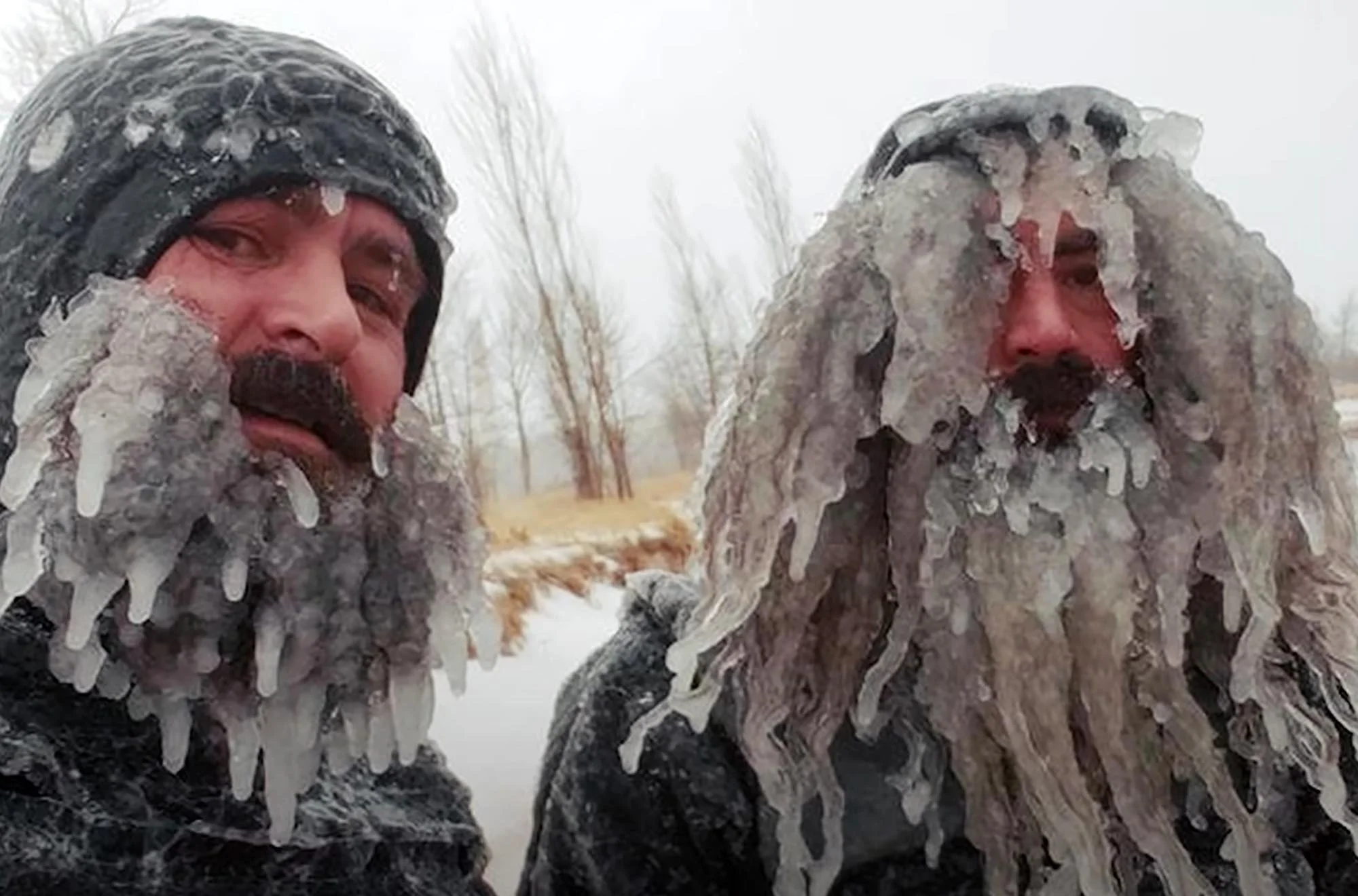
Meet the Great Lakes Surfer Who Chases Winter Storm Waves
Jordyn Visser