

There are many things that happen in the months of November and December that it can be easy to miss something such as the meteor showers in these months.
The showers that can be seen during this time include the Southern Taurids, Northern Taurids, Leonids, Geminids, and the Ursids.
The soonest meteor shower is the Southern and Northern Taurids. This meteor shower can be seen until November 20th. However its peak is November fourth through the fifth. The Northern Taurids follow soon after and can be seen until December tenth.
They are called the Taurids because they seem to explode from behind the constellation Taurus. Though a person who wants to experience these meteor showers shouldn’t look directly at the constellation. The reason being that they would only see the small meteors and not the larger ones that can be seen off to the side of the constellation. The meteor shower will be visible all throughout the sky and the one closest to the constellation have shorter tails and are harder to spot. The best time for viewing is at midnight and they can be seen to the southeast of the constellation Orion.
The next meteor shower is the Leonids. This shower is active from November third to the second of December. They are predicted to peak on the 17th though the 18th of November. Leonids are considered some of the fastest meteors due to them moving through the sky at 44 miles per second according to NASA. This meteor shower happens once every 33 years. These meteors are known for resulting in bright fireballs that end in long colorful streaks of light. This meteor shower seems to emanate from the constellation after which it is named. The best time to view this shower is from midnight to dawn. This constellation can be seen to the west east.
The Geminids are active from the fourth of December to the 20th with the peak on the 13th and the 14th. Since this meteor shower is slower, persistent trails can be a bit harder to see. However the Geminids are often brightly and intensely colored. This shower can be seen around the twin Castor of the constellation. This constellation can be seen to the east.
The final meteor shower is the Ursids. This meteor shower is active during the 17th and the 26th of December. This is supposed to peak on the eleventh of December. The points where it is most visible is above Ursa Minor and Ursa Major which are the constellations that they were named after. These meteors are often seen in bursts of as much as 100.
These upcoming meteor showers should be on the watch list for anyone who enjoys watching meteor showers.
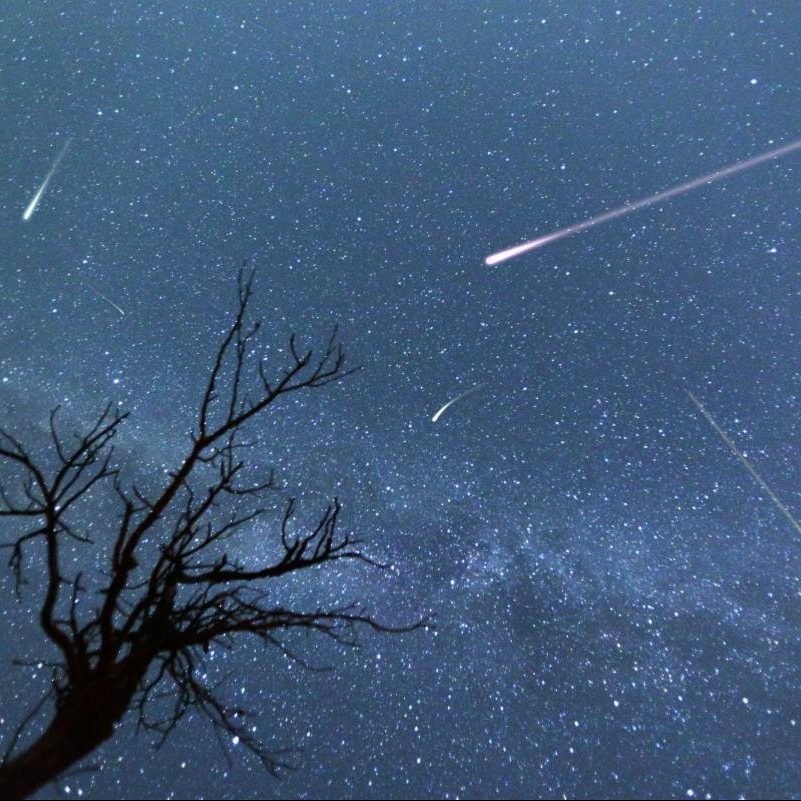
From Taurids to Ursids: Unpacking the Year-End Meteor Shower Lineup
Rebecca Kooiker