
Financial management is a class well-valued by students for its real life applicability and usefulness. The class teaches financial literacy, how to manage funds, and how to plan for the future wisely. There are two teachers currently in charge of the classes: Phillip Matthews and Matthew Meerman. The class has two different sections, A and B, and they last a trimester long each.
The course focuses mainly on the teachings of Dave Ramsey, a well known financial advisor with multiple books, a tv show, and a radio show as well. The website used is called “Ramsey Classroom”, and features videos and a guided structure for easy class integration.
Students tend to enjoy the interactive projects most out of all of the content. They like the fact that they simulate real life scenarios and allow for an insight into the best and worst ways to handle financial situations. A particularly enjoyable one is the games such as Spent and Payback that really make teens think through how to go about making difficult financial decisions, and what possible consequences may be based on what choices they make.
It also has the ability to follow the blended schedule, where students come in on Monday, Wednesday, and Friday, with Tuesdays and Thursdays allowing for online class. “It's quite a flexible class that fits nicely into student schedules,” said Matthews. Many students enjoy the freedom that comes with a blended style, allowing for a break in their day.
Not only do students enjoy the freedom, but enjoy the practicality of the class. It preaches real life knowledge, scenarios, and even works through situations students are experiencing in their personal lives. “If it's a financial skill that a high schooler plans to use in their future, they'll want to dig in and learn it,” said Matthews.
The most appealing aspect for many of the students, however, is the college debt payment unit. For many students, especially seniors, college is weighing heavily on their minds. The class teaches different loan techniques, how to apply for scholarships, and how to calculate the costs of college. It breaks it down in a way that is very easily digestible for teenagers, even those with no prior experience. “I want students to graduate with the actual financial skills and not just the necessary financial head-knowledge,” said Matthews.
Not only is the class meaningful for students, but it is just as meaningful for the teachers as well. Matthews was a student at HHS, and finds great pleasure in teaching students the same things he learned here in 2014. The class had a major impact on him when he was a student, and he hopes he is able to pass that on to future students as well.
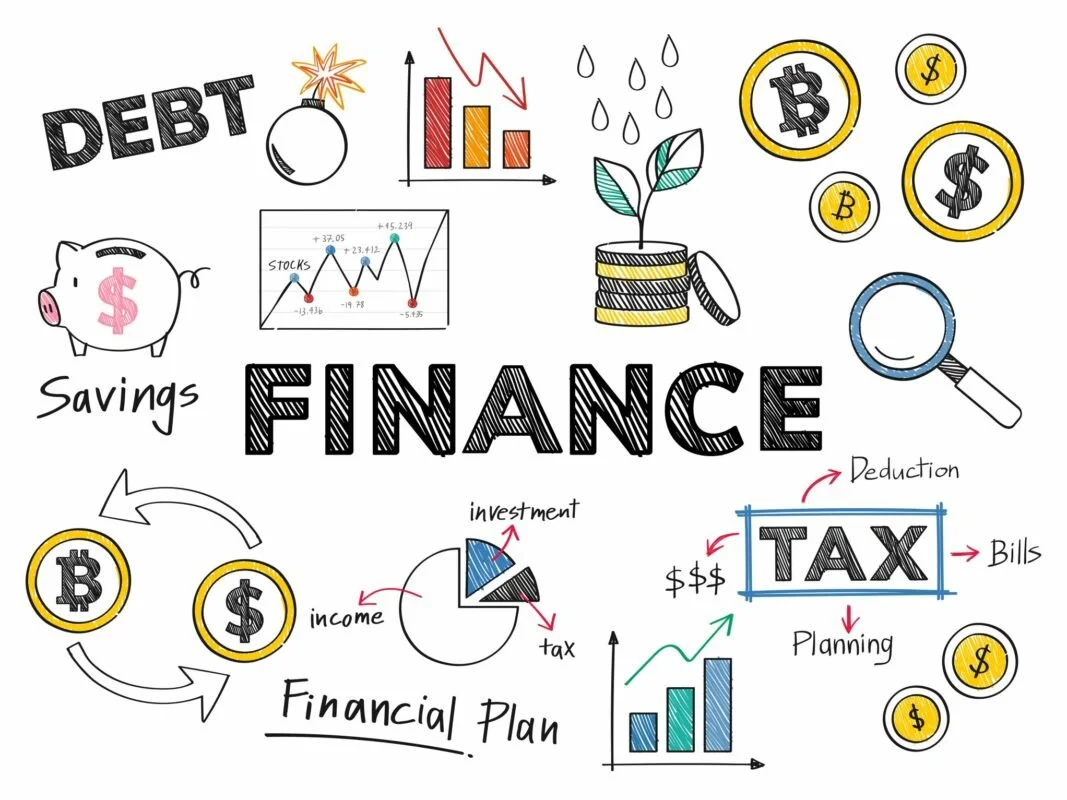
From High School to College: A Class That Prepares Students for the Financial Future
Victoria Jones