The Palisades and Eaton fires in southern California both erupted on January 7, fueled by severe drought conditions and strong Santa Ana winds. Santa Ana winds are strong, dry, and warm/hot winds that blow from the inland deserts of southern California towards the coast.
Thousands of firefighters battled flames across 45 square miles of Los Angeles County. After burning for 24 days, both fires were fully contained on January 31. At least 29 people were killed, 37,000 acres burned, and more than 16,000 structures destroyed.
The Eaton fire was the most destructive wildfire in Los Angeles history. According to Cal Fire, more than 15,000 firefighters, including crews from outside the state and nation, took advantage of a lull of the winds to increase fire containment lines, pre-position equipment in crews in vulnerable areas and use air tankers to coat hillsides in front of the burn areas with fire retardant before the next Santa Ana wind event. Scientists soon began testing and searching through debris to find anything that could help to prevent another event like this from happening.
The fires led to other natural disasters, like the debris flows. Debris flows are triggered by intense rain and are more likely to occur after a wildfire has scorched an area’s ground and vegetation. These debris flows are quick and powerful, so they can easily become extremely devastating, especially for an area that has already been damaged by wildfires.
Heavy metals and toxic chemicals also threaten the health of anyone working or living in the burn areas because they are in the air, the water, and coating the insides of houses that didn’t burn.
Economic losses brought on by stressors like job loss or ongoing home repairs in the months and years following a disaster strongly link to ongoing psychological distress. Many people who were affected by the wildfires now not only have to deal with all of the physical damage, but also the damage to their mental health that comes with going through a natural disaster and all of the damage that comes with it.
Public health, climate mitigation, the housing and insurance markets, and other areas face serious challenges as a result of the growing risk of wildfires. Although these difficulties are substantial, future wildfire damage can be reduced by hardening homes and communities against fire, investing in vegetation management, and slowing down development in the highest- hazard areas.
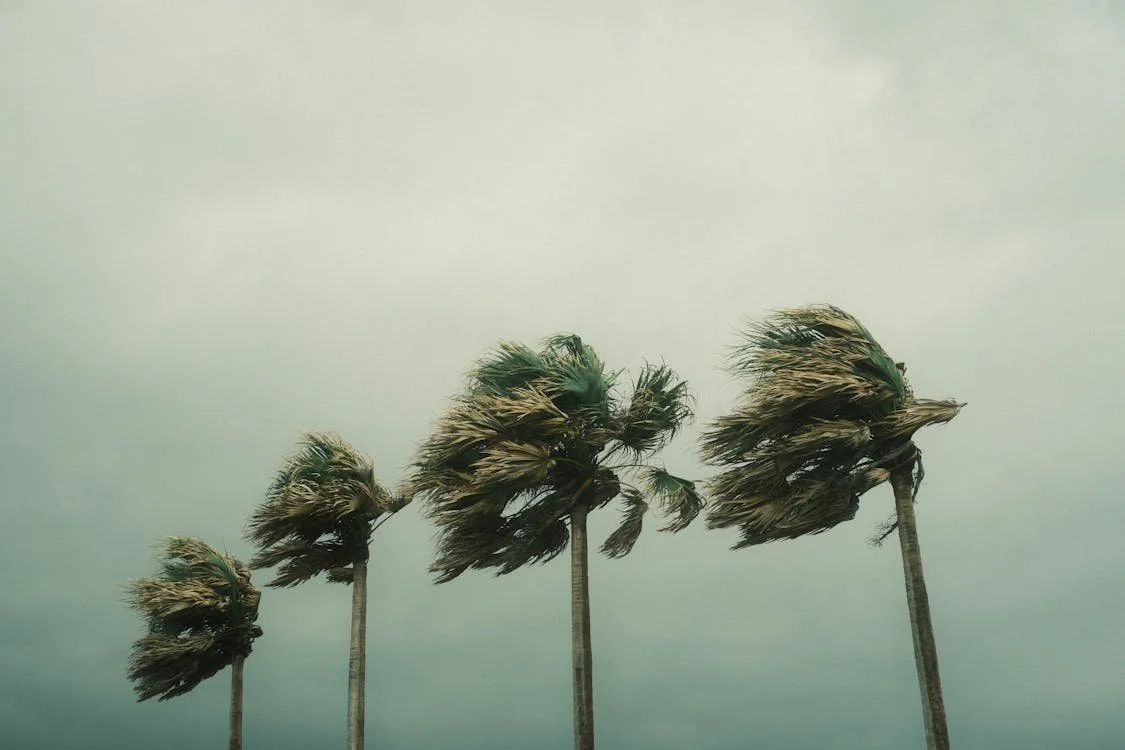
Fierce Santa Ana Winds Fan Flames of Palisades and Eaton Fires
Taylor Blauwkamp