

Three meals a day, seven days a week. It’s hard to comprehend the amount of food one person eats in a week, let alone a year. In order to maintain a healthy diet, doctors recommended each person take in 2,000 calories a day. Getting food each day can be a struggle for some, but for those lucky enough to access food at all times, there is a problem on the rise: food waste. Extra food is scarcely handed out and donated to those in need. When households or restaurants have a surplus of food, much of it is thrown away. In fact, America is the biggest food waste producer of all the countries on earth.
According to Recycle Track Systems, each year, 60 million tons of food are wasted– that’s 325 pounds per person. Most of this food ends up in landfills, taking up much of the space there. It is likely because of how often people choose to eat out instead of at home that food waste is also a factor in households. Teenvoice, an organization that studies the views and impacts of teenagers, claims that a third of American teens choose to get fast food multiple times a week. Not only is that extremely unhealthy, but it is pushing the groceries at home another day toward their expiration date. Home cooked food is not always–but typically healthier than restaurant food. For example, a Big Mac Extra Value Meal from McDonalds contains 1,170 calories: over half of the average person’s daily intake.
In restaurants, most mistakes made while cooking result in perfectly good food being thrown away. Ingredients that have been in storage for a certain period of time must be trashed, wrapped plastic straws that fall on the ground must be thrown away, and disposable gloves have to be changed at least every hour. While most of these rules are in support of customer satisfaction and health, they create a pile up of slightly imperfect food and supplies that could have fed someone in need. Just because one person ordered a sandwich without mayo, doesn’t mean someone else wouldn’t have enjoyed a mayo sandwich. There are so many opportunities for restaurants and fast food places to feed the hungry.
Donating extra or almost expired food to local food banks is possible, but there are many restrictions for donating perishables since they are more likely to contain harmful bacteria. Some items must be kept at certain temperatures, unopened, or used during specific time periods based on their expiration date. If the item meets these requirements there is nothing stopping it from getting to a person in need except the reluctance to give many individuals seem to have. As the World Hunger Education Service says, “food waste is the world’s dumbest environmental problem.”
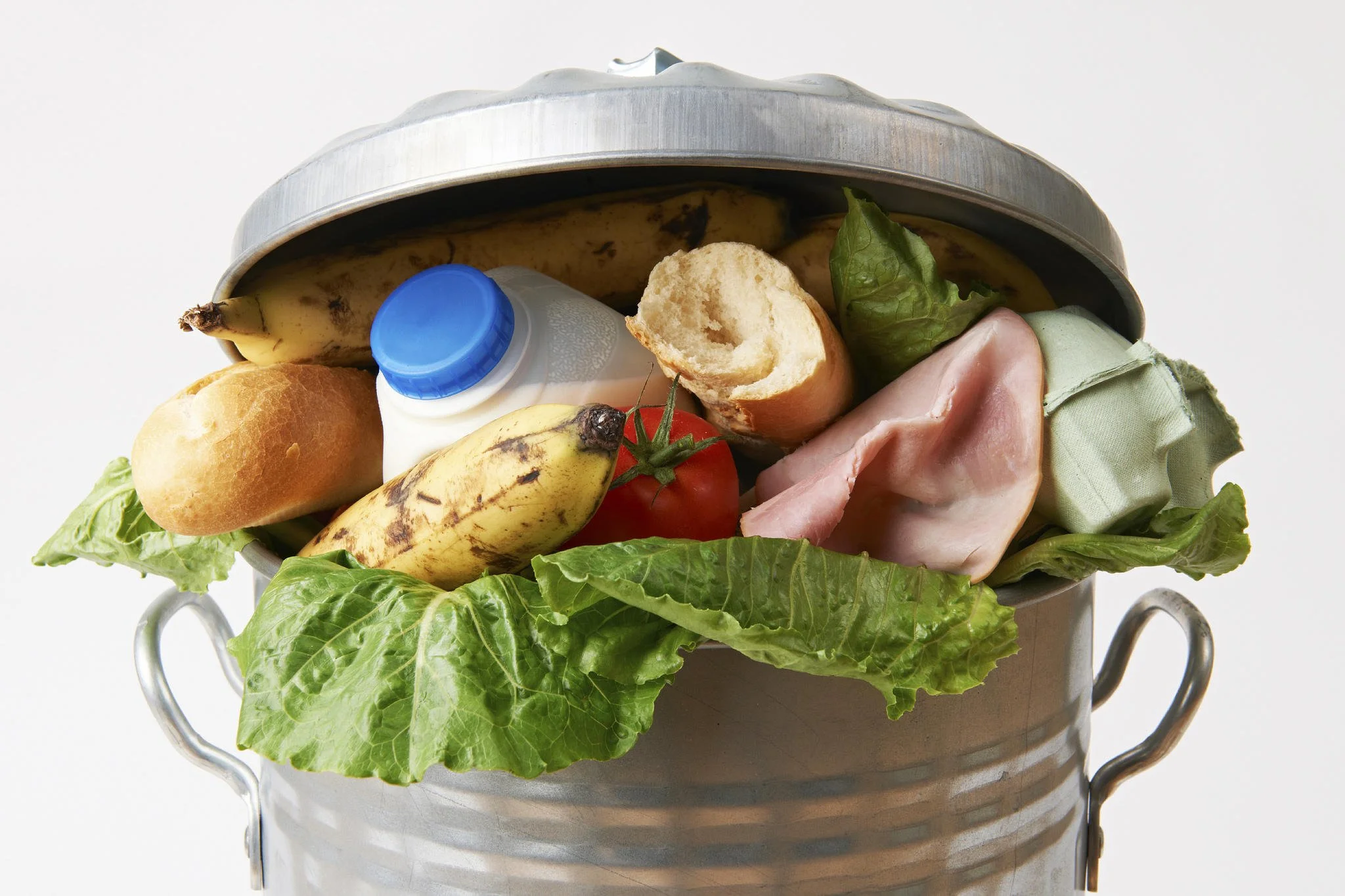
Fast Food Habits and Restaurant Mistakes Fuel U.S. Food Waste Epidemic
Aria Harig