

The whitefish of the Great Lakes are in critical danger, facing extinction due to a combination of habitat loss, invasive species and climate change. Once a crucial part of the ecosystem and a key economic resource, these fish are struggling to survive. The crisis requires immediate action to protect their habitats and manage the threats and problems they face on a daily basis.
Marine life and habitats are constantly changing for the worse. Pollution from farms and cites lead to oxygen depletion in spawning areas, while construction destroys off the coast habitats near the shore. According to the Alliance of the Great Lakes organization, more than 22 million pounds in plastics end up in the Great Lakes every year. These chemicals sometimes even emit cancer causing and highly toxic emissions into the lakes. Great Lakes now suggests more than 4 million whitefish have died since the 1980s. According to a marine scientist, Jason Smith he has watched a population grow old and disappear in front of his eyes. This shows if we don’t do something about pollution the white fish as we know it will die out.
Invasive species also pose a significant threat. Zebra and quagga mussels interrupt the food web by eating, and killing out phytoplankton, reducing food for young whitefish. Invasive species such as sea lampreys and round gobies eat whitefish eggs and larvae, further reducing their numbers. These interactions make it hard for whitefish to survive in their ecosystems where they just simply can’t compete. This endangers the population, because it severely reduces the number of whitefish in our lakes. According to Great Lakes Now, after freighters brought European mussels to the lakes in the 1980s and thriving ecosystems became deserts.
Climate change presents a significant threat to whitefish populations in the Great Lakes. Rising water temperatures disrupt the delicate thermal balance required for successful spawning, leading to reduced egg viability and decreased recruitment. Different ice cover patterns, characterized by shorter ice duration and more frequent mid-winter thaws, further disrupt spawning cycles and expose eggs to increased predation. Additionally, climate change can also cause stressors like habitat degradation like things such as plankton dying, leaving the eggs of these whitefish viable to too much sunlight or just easy visibility to predators. Climate change definitely affects the population of whitefish.
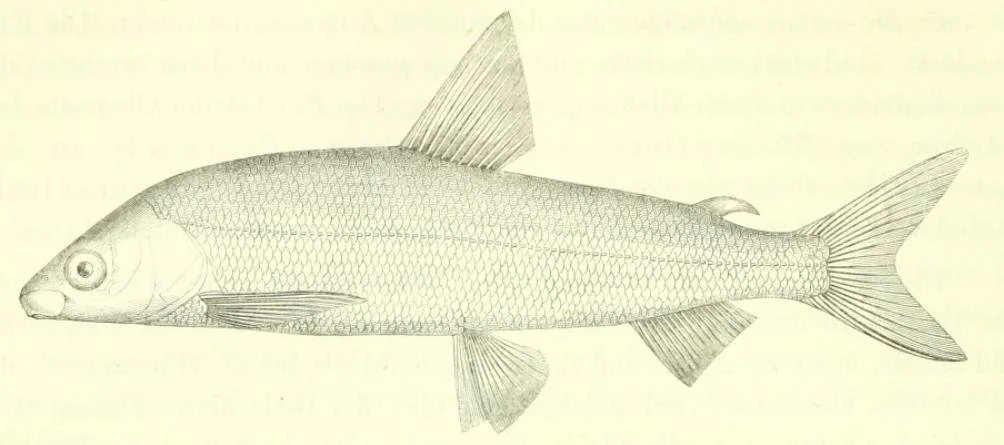
Climate Change Threatens Whitefish Spawning Success
Jonah Harkema