

Schizophrenia is a chronic mental disorder that affects how people think, feel, and behave. It often causes individuals to lose touch with reality, experience hallucinations, or hold false beliefs known as delusions. Many people misunderstand the disorder and assume that those who had it were violent or unpredictable. In truth, schizophrenia is a medical condition that requires understanding, treatment, and support just like any other illness.
Schizophrenia carries a heavy social stigma. People who were diagnosed often faced rejection, fear, and discrimination from society. Media portrayals frequently presented those with schizophrenia as dangerous or incapable of living normal lives. These negative stereotypes created a deep sense of shame among individuals with the condition. As a result, many hid their symptoms or avoided seeking help to escape judgment from others. The stigma did not just affect how others viewed them. It also damaged their self-esteem and limited their opportunities in education, work, and relationships.
Despite the stereotypes, schizophrenia is not a sign of weakness or moral failure. It is a complex brain disorder influenced by genetics, biology, and environment. Many individuals with schizophrenia lived successfully with proper medication, therapy, and community support. They are capable of creativity, intelligence, and kindness, but the stigma often overshadows these qualities. Understanding the true nature of schizophrenia requires separating fact from fear and learning from real experiences rather than stereotypes.
Addressing the stigma surrounding schizophrenia is vital for improving mental health awareness and equality. Stigma has kept people from getting the treatment they need and led to unnecessary suffering. By promoting education and compassion, society could help reduce discrimination and allow people with schizophrenia to live openly and with dignity. When stigma is challenged, communities become more inclusive, and individuals feel valued rather than judged. Changing the way schizophrenia is viewed helps move the world closer to understanding that mental illness is not something to fear, but something to care about and support, and talk about honestly. Creating awareness programs, encouraging honest dialogue, and listening to the voices of those who experience schizophrenia would build empathy and understanding. In the end, reducing stigma isn't just about changing opinions. It is about saving lives, building hope, and reminding everyone that mental health matters.
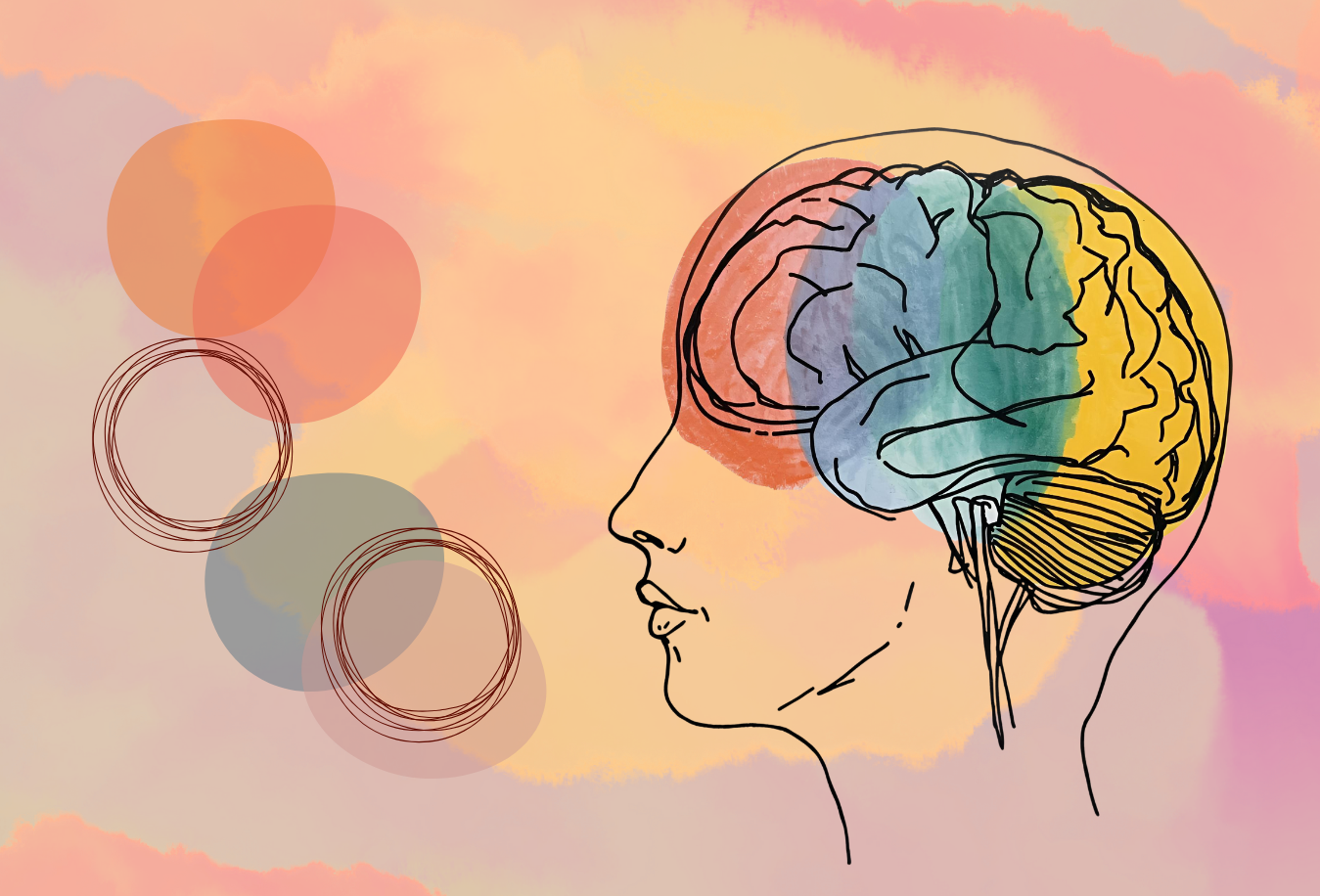
Beyond the Stereotypes: Separating Fact from Fear in Schizophrenia
Coleton Vantubergen