

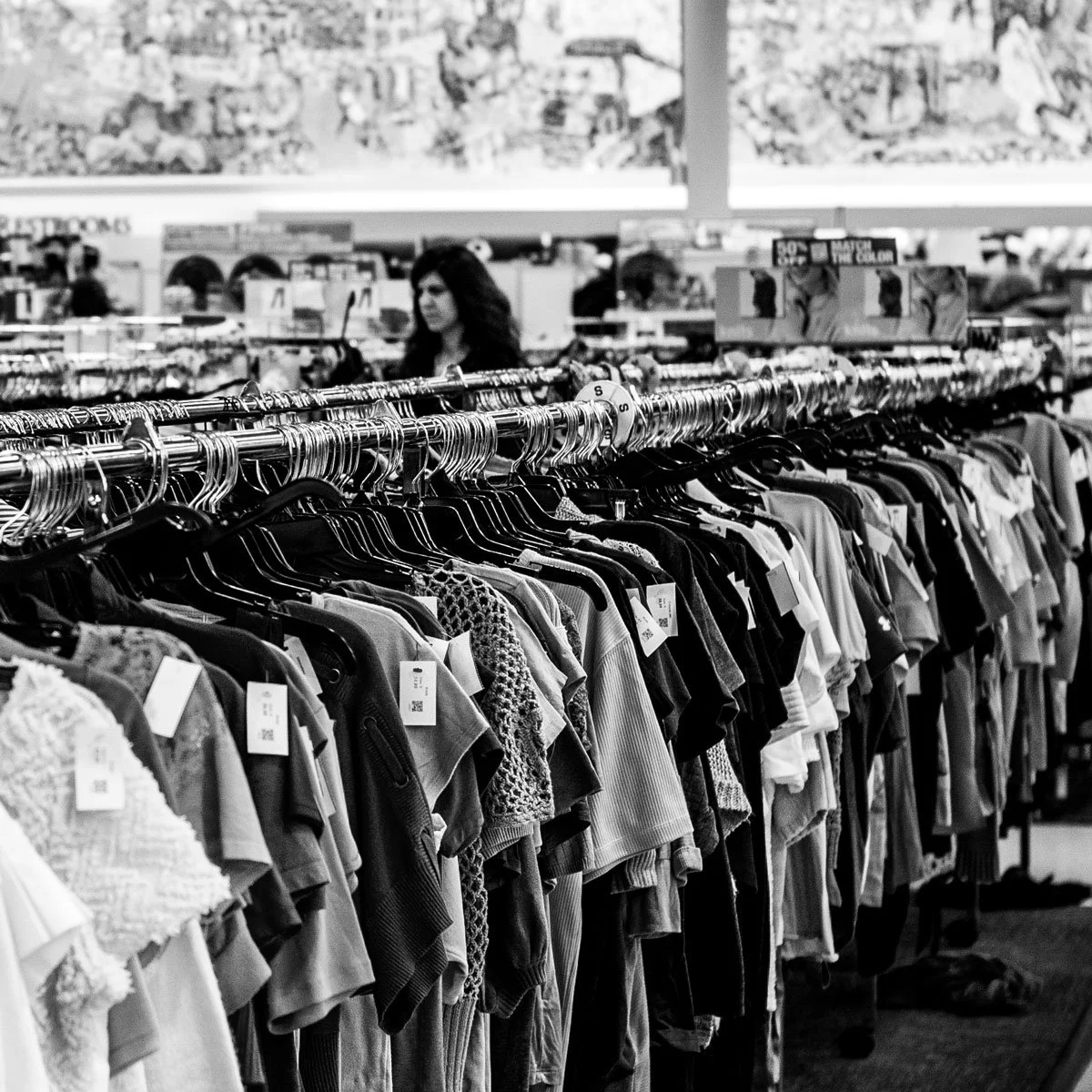
In recent years, teens began to redefine fashion, not through high-end boutiques or fast fashion, but through the art of thrifting. Second-hand style became more than a shopping habit; it grew into a creative and sustainable movement led by young people searching for individuality, innovation, and authenticity.
For fashion and thrift enthusiast, Junior Logan Youngs, thrifting had always been a way to stand out. “I liked that I could find clothes from different eras of time,” Youngs said. “Most clothes from stores were just modern trends.” For him, each visit to a thrift store felt like a journey through fashion history, a chance to discover something rare that told its own beautiful story.
Thrifting also offered an appealing level of convenience and affordability. Young said, “It was very cheap, and if you knew where to look, there were thrift stores everywhere.” Unlike traditional stores that followed current styles and high prices, thrift shops offered endless surprises from vintage jeans to one- of-a-kind jackets, all at a fraction of the cost.
Across the country, more teens began to share the thrifting mindset. What started as a niche hobby soon became a powerful trend on social media. Platforms like TikTok and Instagram turned thrifting into a form of creative expression, with users posting "thrift hauls,” upcycling tutorials, and vintage outfit transformations. The idea of fashion shifted from brand loyalty to personal storytelling, as young people built wardrobes that mixed decades, aesthetics, and identities.
Thrifting also became a statement of sustainability. Many teens turned away from fast fashion’s environmental impact, choosing second-hand shopping as a way to reduce waste. According to a Recommerce Report by OfferUp in partnership with data analytics firm GlobalData, Gen Z is now leading the second-hand market, making thrift stores and online resale platforms like Depop and Poshmark more popular than ever.
However, as thrifting became more mainstream, it also became more commercialized. Prices rose, demand skyrocketed, and influencers began reselling thrifted finds for profit. Some critics argue that this trend pushed low-income shoppers out of stores once known for their affordability. Yet, many teens still saw value in the culture that thrifting has created, one centered on creativity, community, and sustainability.
In the end, second-hand fashion became more than just a trend. It reflected a generational shift, one that favored authenticity over trends, self-expression over conformity, and environmental awareness over waste. Through the thrifting movement, teens proved that fashion doesn't need a label or luxury tag.
It only needs a vision and a touch of pure imagination.
Authenticity and Creativity Fuel the Teen Secondhand Revolution
Coleton Vantubergen